Tag Archives: health

UN and WHO say hormone-disrupting chemicals are a ‘global threat’

“Frankly, for BPA, the science is done. Flame retardants, phthalates … the science is done,” Zoeller said. “We have more than enough information on these chemicals to make the reasonable decision to ban, or at least take steps to    limit exposure.”

Phthalates are found in fragrances, laundry and other personal care and cleaning products, soft plastics, (PVC) and even in time released medications!!!

Exposures to these chemicals are currently very difficult to avoid, and require diligent personal effort and significant financial investments. But even that is not enough to avoid exposure.

edc_cover

Continue reading

Hospital Protocols for People With MCS/ES

hospital

Some hospitals around the world are developing fragrance-free policies and other less toxic practices, but most health-care environments can still be dangerous places to be for people with MCS/ES, presenting enormous challenges if health care services are needed, as I quoted from the ES-MCS Sensitivities Status Report in the post Canadian Statistics on MCS/ES.

“For ES-MCS sufferers the ideal of ‘patient-centred care’ is currently in stark contrast to realities within the health care system. Knowledgeable healthcare professionals and support workers are so few as to be virtually inaccessible most of the time. For moderately or severely chemically sensitive persons, physicians’ offices, clinics and hospitals commonly are unsafe places to wait, consult, or undergo procedures because patients can be exposed to many symptom triggers emitted from furnishings, cleaning and laundry products, disinfectants, and personal care products on staff or other patients, making their conditions worse. Fragrance/scent-free hospital, home care and rehabilitation services are very rarely available, and there are no chemically safe emergency shelters. Consequently, patients with severe chemical sensitivities may avoid seeking care, risking further deterioration and chronicity, thereby being “caught between a rock and a hard place.”

It can be a difficult decision for many of us when we experience symptoms, whether or not to have them checked out. Sometimes we wait too long, other times we just can’t go because the going is too dangerous for our health. Toni Bernhard touches upon it in Psychology Today, although MCS/ES adds another layer of complications to the decisions:  “5 Tough Choices You Face When Chronically Ill or in Pain

If a trip to the hospital is required, it’s best to be as prepared as possible. If it’s not an emergency, then your choice of the following documents can be forwarded and discussed in advance. Otherwise, carrying paper copies or discs with us at all times could be warranted, in case of emergency.

The following is a list of the best protocols and websites I’ve found, with important resources and documents for people willing and able to take the risks to advocate for themselves or to provide to others so they can do it on our behalf if we are not able.

Hopefully you have the time to go through them and choose what is most suitable for you before the need arises. With any luck, you won’t need them, but it’s good to be  prepared “just in case”. It will take a long time to prepare your local health care providers with protocols to reduce harm (we’re nowhere near the eliminate harm stage)  in advance.

A lot more needs to be done, because until the systemic issues are resolved, for too many of us, it’s far too dangerous to try to access health care.  The necessary negotiations are not feasible when severely disabled, ill, and in need of immediate care that does not exist.  These resources require the ability to work to implement. And there’s no guarantees that if you make progress once, the progress can be built on the next time, as far too often, it’s a start all over again from the beginning process.

Continue reading

Do We Not Have the Right to a Healthy Environment?

The way things are now, polluters have more rights to pollute than we have to clean air and water. That is not the way it should be, and it can be changed.

air and water

In Brazil, they now have the right to a healthy environment!

From Ecojustice, where you can learn more and take action:

the Right to a Healthy Environment

But it’s not just chemical plants and industries that pollute our air and homes. 

People  also seem to expect the right to do what they want on their properties, even if that activity impairs the ability  of someone else next door or down the block to breathe  on their property.

Woodsmoke, tobacco smoke, pesticides, herbicides and toxic laundry products are some of the things that also leave the user’s property and enter neighboring  properties and homes, with sometimes devastating effects on the health of people and pets.

I think our right to do what we want on our own property should not include the right to prevent the next person from breathing properly on their property.

What do you think?

Cosmetics and Fragrance Industry claims government regulations are sufficient

Dear Canadian Cosmetic, Toiletry and Fragrance Association,

How about not hiding behind lax government regulations?

Sincerely,

Me

In  the letter I received from them (included below) they claim that: “it is illegal to sell cosmetics or other personal care products that would cause harm when used as intended”

Really?

Then why are so many people getting asthma, headaches, chemical sensitivities, and some other serious and disabling effects from their products?

CCTFA hides behind lax regulations

CCTFA hides behind lax regulations

Continue reading

Neigbourhood Pollution

This device emits unregulated toxic chemicals to the entire neighborhood when you use conventional laundry products

Continue reading

Petrochemicals and Human Health

So much evidence is pointing to the fact that humans were not designed to breathe, absorb, ingest oil and petrochemicals.

body petroleum

Petrochemicals and their byproducts, such as dioxin, are known to cause an array of serious health problems, including cancers and endocrine disruption.

See the link here for some details:
(edited March 2014 to include a different website as old link no longer works)
What is a “body burden”
http://www.chemicalbodyburden.org/whatisbb.htm

Here is a chart of petrochemicals and where they are found

(in case you want to reduce your dependence on them)

Continue reading

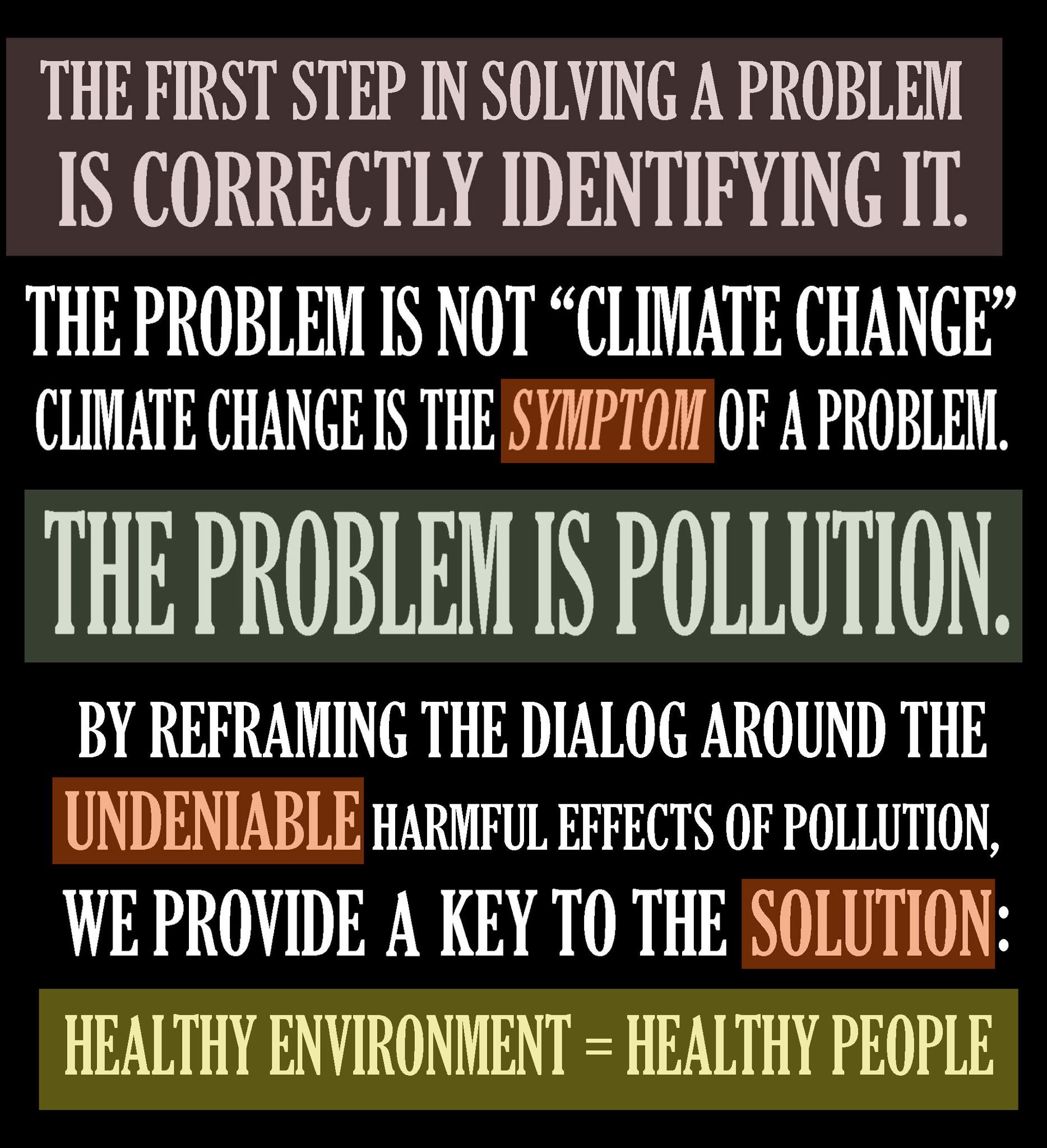
Climate change is a symptom of pollution

Climate change is a symptom of a problem. The problem is pollution!

And this includes the pollution caused by everyday products like those used for laundry and personal care!

the 1st step

When we truly care about ourselves and each other, we realize that we also have to care about our environment, since without clean air, water or food, we cannot survive long.

Pollution includes the toxic petrochemicals in everyday products and materials, like those used for laundry, personal care, cleaning, carpeting, shower curtains, back packs and clothing, pesticides, roofing materials, air “fresheners”…

Personal Care Sprays Curbed in Smog Fight

http://articles.latimes.com/1989-11-09/news/mn-1427_1_personal-care-products

Aerosol antiperspirants and deodorants–which account for 25% of product sales–spew up to five tons a day of smog-causing volatile organic chemicals into the atmosphere statewide–an amount equivalent to the emissions from a typical oil refinery.

Chemicals in Home a Big Smog Source

Cleansers, cosmetics and other products pump 100 tons of pollutants daily into the Southland’s air, ranking second to tailpipe emissions, studies show.

http://articles.latimes.com/2003/mar/09/local/me-homesmog9

Regulators have long known that smog-forming chemicals escape with every squirt of antiperspirant, each bubble of detergent and every spritz of aerosol hair spray. And they have been controlling some products’ emissions for years, with mixed success. But new research shows that products common in kitchens, bathrooms and garages contribute more to Southern California’s smog problem than previously thought.

The offending items include detergents, cleaning compounds, glues, polishes, floor finishes, cosmetics, perfume, antiperspirants, rubbing alcohol, room fresheners, car wax, paint and lawn care products.

Consumer products send out nearly twice as many hydrocarbons — a key precursor to ozone — as all of the SUVs and light trucks operating in California.

And MCS/ES is another symptom of the same pollution problem. As are many other chronic health conditions.

Let’s take better care of the planet and of ourselves and each other.

IDLE NO MORE

Friendship and Fragrance

There are reasons people choose and enjoy isolation, but developing disabling adverse effects from the toxic chemicals in everyday products and materials is seldom one of them.

Do you know someone who says fragrances bother or disable them? Chances are pretty good that you do, now that 34.7% of the population experience adverse effects, ranging from mild to severe and disabling, from fragrance exposures.

When your friend, family member, or colleague informs you that something you use has an adverse effect on them, how would you respond?

Do you choose the friendship? Or the product?

Continue reading