Category Archives: Health

Cosmetics and Fragrance Industry claims government regulations are sufficient

Dear Canadian Cosmetic, Toiletry and Fragrance Association,

How about not hiding behind lax government regulations?

Sincerely,

Me

In  the letter I received from them (included below) they claim that: “it is illegal to sell cosmetics or other personal care products that would cause harm when used as intended”

Really?

Then why are so many people getting asthma, headaches, chemical sensitivities, and some other serious and disabling effects from their products?

CCTFA hides behind lax regulations

CCTFA hides behind lax regulations

Continue reading

Petrochemicals and Human Health

So much evidence is pointing to the fact that humans were not designed to breathe, absorb, ingest oil and petrochemicals.

body petroleum

Petrochemicals and their byproducts, such as dioxin, are known to cause an array of serious health problems, including cancers and endocrine disruption.

See the link here for some details:
(edited March 2014 to include a different website as old link no longer works)
What is a “body burden”
http://www.chemicalbodyburden.org/whatisbb.htm

Here is a chart of petrochemicals and where they are found

(in case you want to reduce your dependence on them)

Continue reading

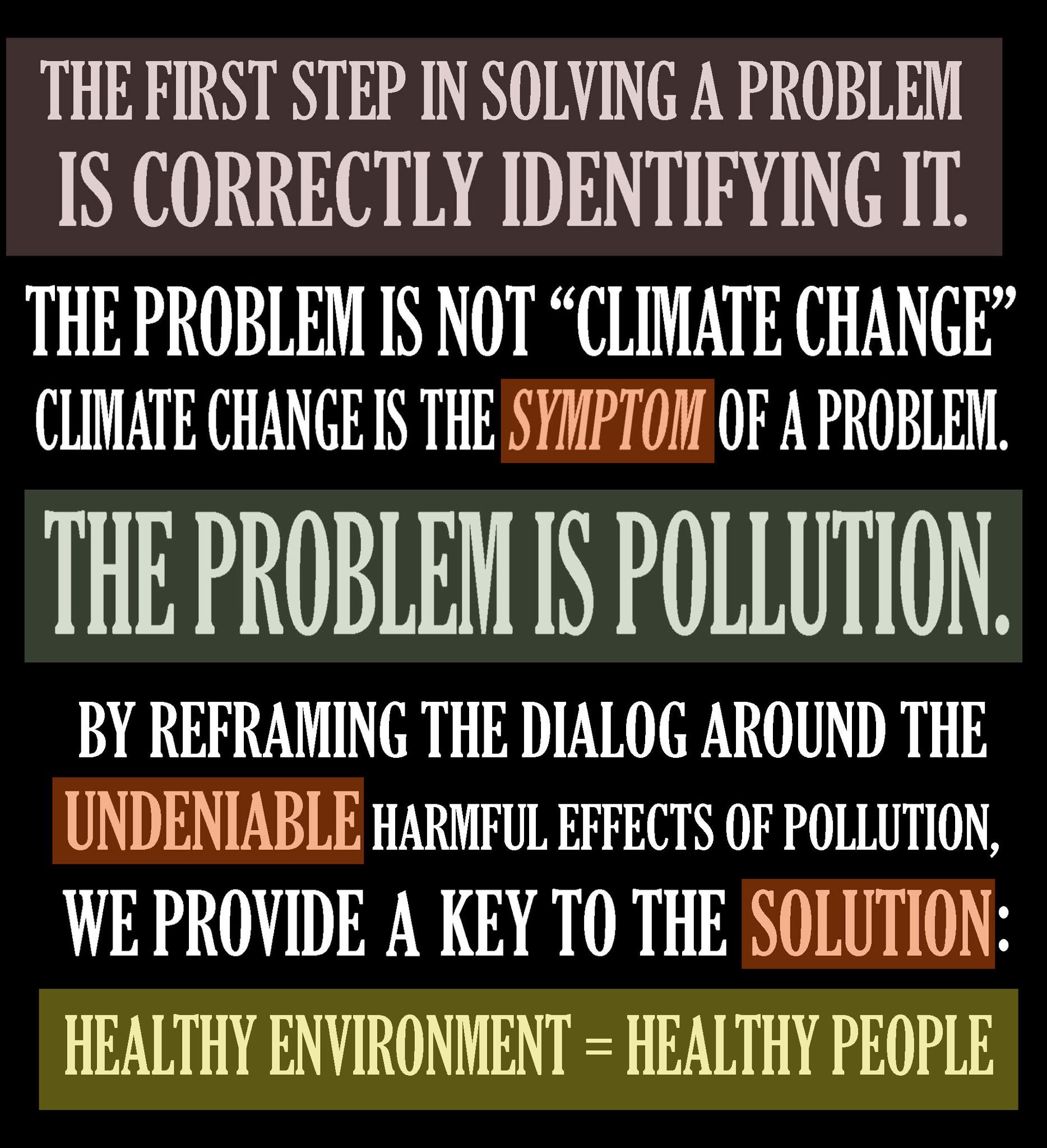
Climate change is a symptom of pollution

Climate change is a symptom of a problem. The problem is pollution!

And this includes the pollution caused by everyday products like those used for laundry and personal care!

the 1st step

When we truly care about ourselves and each other, we realize that we also have to care about our environment, since without clean air, water or food, we cannot survive long.

Pollution includes the toxic petrochemicals in everyday products and materials, like those used for laundry, personal care, cleaning, carpeting, shower curtains, back packs and clothing, pesticides, roofing materials, air “fresheners”…

Personal Care Sprays Curbed in Smog Fight

http://articles.latimes.com/1989-11-09/news/mn-1427_1_personal-care-products

Aerosol antiperspirants and deodorants–which account for 25% of product sales–spew up to five tons a day of smog-causing volatile organic chemicals into the atmosphere statewide–an amount equivalent to the emissions from a typical oil refinery.

Chemicals in Home a Big Smog Source

Cleansers, cosmetics and other products pump 100 tons of pollutants daily into the Southland’s air, ranking second to tailpipe emissions, studies show.

http://articles.latimes.com/2003/mar/09/local/me-homesmog9

Regulators have long known that smog-forming chemicals escape with every squirt of antiperspirant, each bubble of detergent and every spritz of aerosol hair spray. And they have been controlling some products’ emissions for years, with mixed success. But new research shows that products common in kitchens, bathrooms and garages contribute more to Southern California’s smog problem than previously thought.

The offending items include detergents, cleaning compounds, glues, polishes, floor finishes, cosmetics, perfume, antiperspirants, rubbing alcohol, room fresheners, car wax, paint and lawn care products.

Consumer products send out nearly twice as many hydrocarbons — a key precursor to ozone — as all of the SUVs and light trucks operating in California.

And MCS/ES is another symptom of the same pollution problem. As are many other chronic health conditions.

Let’s take better care of the planet and of ourselves and each other.

IDLE NO MORE

Safe Housing – One Brick at a Time

The Environmental Health Association of Québec (EHAQ) is ready to build an ecological, affordable housing community for people with Environmental Sensitivities and related conditions. This type of housing will provide a roof for those in dire need of a healthy home, free of the triggers that make them ill.

safe and healthy home

A home that will restore dignity and health…how amazing is that?

Please watch the video

JOIN EHAQ TO BUILD A HEALTHY COMMUNITY, ONE BRICK AT A TIME
BUY A BRICK @ $10 A BRICK!

To donate and learn more:

http://www.aseq-ehaq.ca/donation/donateonline.php

banner_english_fundraising-4

MCS Video compilation from Alison Johnson

Alison Johnson’s film
“Multiple Chemical Sensitivity: A Short Introduction”

For more information see her website

MCS_cover_new

Chemical-free clothing (we wish)

I’ve just added a new page to the top of the blog.

If you are looking for safer clothing, textiles, footwear or bedding, I’m adding links of places that offer them to hopefully make the search a little bit easier, since so many people land on this blog when searching for chemical-free clothing.

Since the level of sensitivities varies between people, there’s no way to say that something will be safe for everyone, or how many washings it might take to make something safe.

Some of the places deal with chemically sensitive clientele on a regular basis. This doesn’t mean that you can assume they know what you as an individual might need, so please be very clear if you have severe sensitivities. Discuss in advance the circumstances for returns also, as it’s unlikely anyone will accept anything that has been washed a dozen times if it still isn’t safe enough for you.

Some places will wrap things in extra cellophane or foil or even plastic, if postal fragrance and pesticide residues are of concern. Other places might not be willing to do that. Ask, and ask nicely.

This list is just a starting point for people who are searching, and will be a work in progress… Also, if I only listed places that met my standards in all areas, there wouldn’t be a list… And I’d be naked…

See the list here (or click on the tab at the top of the page):

https://seriouslysensitivetopollution.wordpress.com/chemical-free-clothing-we-wish/  

Friendship and Fragrance

There are reasons people choose and enjoy isolation, but developing disabling adverse effects from the toxic chemicals in everyday products and materials is seldom one of them.

Do you know someone who says fragrances bother or disable them? Chances are pretty good that you do, now that 34.7% of the population experience adverse effects, ranging from mild to severe and disabling, from fragrance exposures.

When your friend, family member, or colleague informs you that something you use has an adverse effect on them, how would you respond?

Do you choose the friendship? Or the product?

Continue reading

HRV and MCS… an update

The HRV (heat recovery ventilator) broke down in March.

September 25th was the 1st time they came to install the new one. At that time it was discovered that neither the people ordering the HRV, the people selling HRVs, or the people installing them thought to ask if the intake and exhaust vents would be in the same location on the new machine as on the old machine.

They were not.

After a lot of humming and hawing it was decided to keep the new unit and build out more ducts to make it fit. The duct material had to be ordered in. Apparently it was special and not in stock.

They finally came back, Friday the 16th of November. Now that it is too cold out to open windows without the heating system coming on (or freezing, I still don’t have adequate safe warm clothing, but that’s another story) they came back.

And wouldn’t you know it, there is something in the new system that isn’t good for me, and, it gets sucked through the ducts whenever the heat goes on, even if the HRV is turned off.

It might be because

Continue reading

Laundry Decontamination Protocols

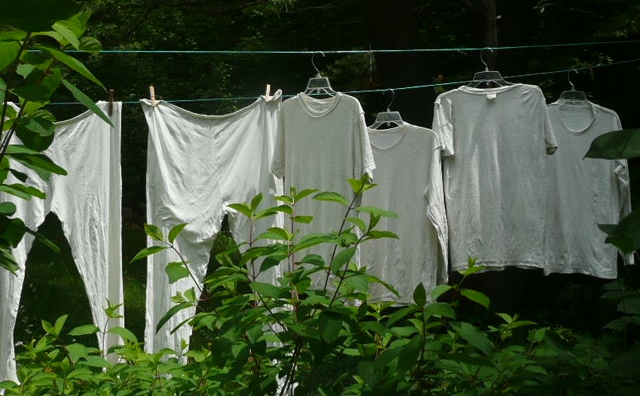
Safe clothing can be a huge challenge for people with MCS/ES. Most clothing is not chemical free. Even organic clothing can be treated and finished with the same toxic chemicals found in regular clothes (see link at the end of this post for more details)

Sometimes it is possible to detox regular clothing. For mildly sensitive people it might just take a few regular washes with a tolerable detergent. For more sensitive people, a more involved protocol may do the trick. For others, we often end up without much in the way of clothing and bedding, because even the trace chemicals can be too much.

Here are some methods many people have used to successfully detox their clothing. As always, individual results may vary according to personal sensitivities, water conditions, products available, and whatever might be in the clothing to begin with.

Updated Version of Ellen’s Laundry Decontamination Protocol

Originally posted at MCS-Canadian-Sources and at The Canary Report        (copied with permission)

When I joined the MCS… list in 2005, I learned what other members of the list were doing to decontaminate their new clothes. I made some changes, the main one being that I soak the new items in plastic bins, rather than soaking them in my washing machine.

I have an expensive front-loading washing machine, with a maximum soaking time of 35 minutes, which is totally inadequate for decontaminating new or really smelly fabrics. I continue to make changes as I find problems or improvements.

If you have a top-loading washing machine, soaking times can be set much longer, because the timer can be turned off after the soaking ingredient and machine water are completely mixed.
I am including the latest version of my protocol here.

Please note that I have only tested this protocol on cotton, cotton/bamboo blends, cotton/polyester blends, and a very few totally synthetic fabrics. It is not safe to use on silk.

Continue reading

Undisclosed chemicals in fragranced products (new video)

Independent researcher Dr. Anne Steinemann was recently interviewed by Dr. Joseph Mercola about undisclosed toxic chemicals found in laundry products, air fresheners, cleaners, lotions and other (mostly) fragranced consumer products.

She will be testing foods found in supermarkets for fragrance chemicals. Many of us have had to stop buying food from supermarkets etc because they taste like fragrance and cleaning product chemicals.

She also notes that just because a product is “fragrance free”, doesn’t mean it really is, or that it doesn’t contain other harmful chemicals.

Important, worthwhile interview, especially if you don’t know what all the “fragrance-free” fuss is about.

For more info, see Dr. Steinemann’s website