Tag Archives: masks

What I Wear In Bad Air :: K.B.


2016 K.B. Disneyland vacation

“I need to wear a mask around people due to artificial fragrances, car fumes, etc. ‘Normal’ everyday activities, such as putting petrol/gas in the car, can no longer be done.

This photo represents that fact that we can often overcome things that seem impossible. Taken in California in Disneyland on our family trip from Australia to California this year thanks to ‘safe’ accommodation at a friends house, oxygen, mask, activated carbon scarfs & bedding, truck full of supplements & healthy eating. “

~ K.B.

To learn more about masks see

Continue reading

What I Wear In Bad Air :: Bearnairdine


2016 Bearnairdine Beaumont

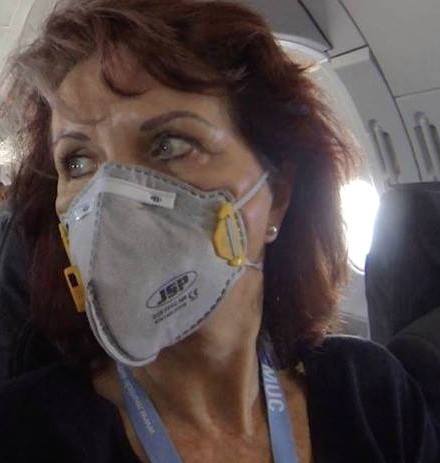
Here’s my picture on board an aircraft, to protect me from contaminated cabin air.

~ Bearnairdine Beaumont

You can visit Bearnairdine’s fb page to learn more about her story and about aerotoxic syndrome:

Continue reading

What I Wear In Bad Air :: Debbie


2016 Debbie Clark Seely

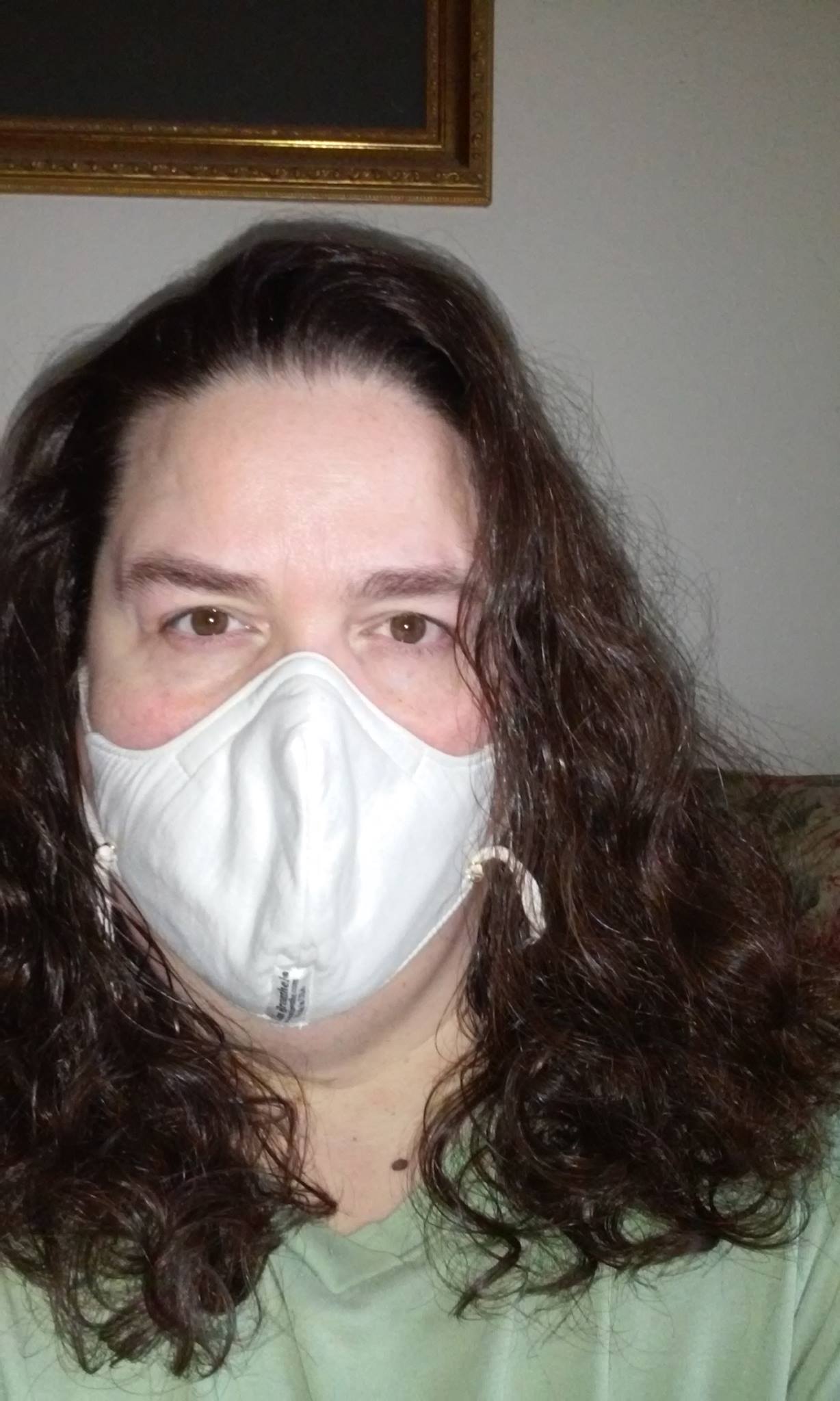
“This is me in my mask. I keep it right next to me in case I have to put it on quickly. I used to only use it when I went to the grocery store, but I haven’t been inside a store since July 2015.  I still end up needing it for when people come in my home or my neighbor’s laundry scent comes in.”

~ Debbie Clark Seely


For more info on masks, please see Continue reading

What I Wear In Bad Air :: Ellie


2016 Ellie

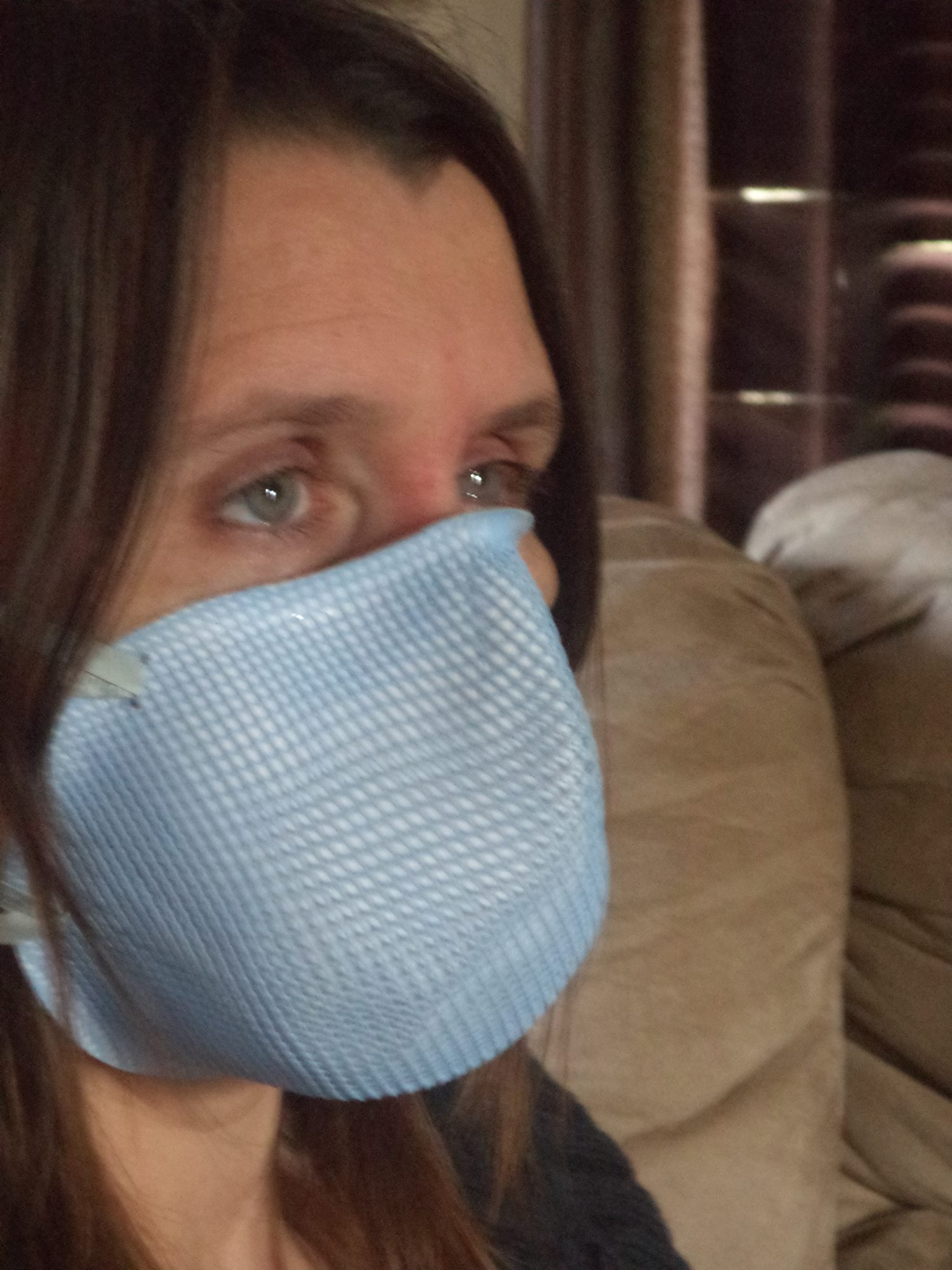
“Instead of cancer, I got MCS, meaning I stop breathing on contact with your everyday chemicals (plus a multitude of other symptoms.) Hey, there’s another perk! You might finally have the excuse you need to buy an expensive gas mask that can also be used with costumes! After all, once you get MCS, you can’t leave the house without one, so you’ll always be dressed for an adventure! #GoNatural”

Ellie uses this mask:

Continue reading

What I Wear In Bad Air :: D.R.B. and M.C.

2016 D.R.B.

“I never leave home without a scarf to wrap around my face. To give me a hands free quick exit.”

~ D.R.B.

2016 M.C.

“This is me cleaning a mouldy wall in my apartment after a flood in February.  I was wearing all 3 – nasal filters, a disposable R95 (mostly to keep gas mask plastic off skin), plus the P100!  Thankfully, I didn’t have to stay and was able to move into a mold-free unit, as one became available.”

~ M.C.

To learn more about masks see

Continue reading

What I Wear In Bad Air :: Rolf


2016 Rolf Aerssens

“This is me wearing a half face ABEK-P3 respirator with multi-gas filters.

I wear my “ALLERGY PATIENT” vest to identify my mask as a “medical necessity”. It helps a lot with preventing unkind comments and odd looks from people,  and hopefully will help people ask before shooting in times of terrorist threats.

I’m holding my clean air helmet in my right hand. The blower unit is normally worn on the back and is only in front for the photo.

Continue reading

What I Wear In Bad Air :: Lisa M.


2016 Lisa M

“At one point I had to sleep in the mask when in a rental unit. There was smoke coming from a surrounding unit and toxicity from finish that was used on the floor. I typically use avoidance, but for situations where that is not completely possible the mask is used to help with some symptoms. One of the biggest issues I deal with is the impact of environmental triggers causing instant inflammation of my eyes. Since the mask does not help with that it has been necessary to wear it with glasses when avoidance is not possible.”

~ Lisa M.

For more info on masks see:

Continue reading

What I Wear In Bad Air :: Marie

2016 Marie LeBlanc 1

“I have to  wear my mask to do laundry in the basement because of mustiness and other people’s fragrances.”

~ Marie LeBlanc

Marie also shared an artistically altered image of her wearing her mask while waiting to see a doctor, because people were ignoring the fragrance-free signs on the wall behind her. Continue reading

If We’re Not Careful

This could happen here too…

We share the air on this little planet. Out appetite for disposable stuff is spewing a lot of toxic waste into the air, and most of it is oil, gas, coal, and petrochemical based.

Beijing  Picture: Austral Source: Supplied

Picture: Austral Source: Supplied

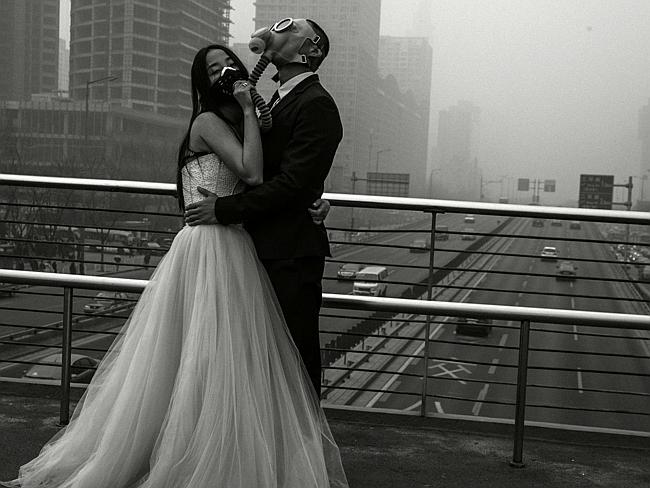
MOST brides are keen to look their best on their big day — but this lovestruck couple took their matrimonial garb to a new extreme in Beijing.

Chinese scientists have warned the country’s toxic air pollution is now so bad that it’s slowing photosynthesis in plants — and potentially wreaking havoc on the country’s food supply.

See the rest of the photos here:

Chinese couple pose for wedding photos wearing gas masks during Beijing’s big smog

Ω

I don’t know about you, but I think it’s madness to allow corporations to continue polluting this planet and threatening our very existence just to have piles of stuff we end up dumping in the trash.

What can we do to sustain life instead?

Money, Masks and MCS

Here is yet another way petro-chemical and wireless pollutants and policies create barriers to access, barriers that personal actions and responsibility alone cannot overcome…

Background: Michellina  wrote about her masked experiences on her blog The-Labyrynth, which inspired Colleen to write about her mask breakthrough on her blog Life in the City with a Future, which inspired me to share her link and post on the subject here, which then inspired Suki to chime in here adding her experiences, as well as a link to some really great resources from from The (US) National Center for Independent Living on environmental health barriers to access, which links back here to one of my  posts! And here’s an example of just how prevalent fragrance chemicals are.

And then… my friend Melody posted this photo, which brings up another issue:

How can we have access to our money when wearing disability related “accessories”?

What about the masks we wear to be able to breathe cleaner air?

What about the masks we wear  to breathe? Or the hats and scarves we wear to keep some of the fragrance chemicals off of our hair? Or the special fabric head-coverings to protect from wireless radiation? These are necessary “accessories” which prevent further disability, and allow some of us to lead somewhat more normal lives, kind of like what wheelchairs are for people who can’t walk.

Do they have these signs (and policies) everywhere now?

How do you manage?

Continue reading