Tag Archives: multiple chemical sensitivities

People All Around the World Are Seriously “Sensitive” to Pollution

Here’s a screenshot of where you all are from!2016 readers are global

Most readers are from the US of A, followed by Canada, the UK, and Australia (which makes sense from a language perspective) and thousands more visitors are from 119 other countries!

The blog’s facebook page followers are said to be from 45 countries all around the world, and apparently communicate in 24 different languages!

Being “sensitive” to pollution is truly a global issue!

There is no away!

I wish there was no need for what I do here, that pollution wasn’t profitable, and that we could all access everything we need for health and well-being.

Living beings were not designed to withstand 24/7 exposures to toxic pollutants, toxic foods, and wireless radiation (like from wi-fi and smart meters).

Hopefully what I share with you all encourages you to eliminate toxic and harmful products and materials from your lives, and to speak up and out, so that we aren’t invisible to the world, because we are all over the world, we are all “sensitive” to pollution, and we are all in this together!

cropped-blog-banner-heart-and-flags.jpg


What I Wear In Bad Air :: Bearnairdine


2016 Bearnairdine Beaumont

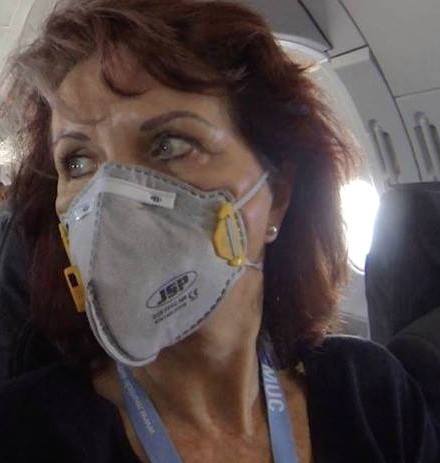
Here’s my picture on board an aircraft, to protect me from contaminated cabin air.

~ Bearnairdine Beaumont

You can visit Bearnairdine’s fb page to learn more about her story and about aerotoxic syndrome:

Continue reading

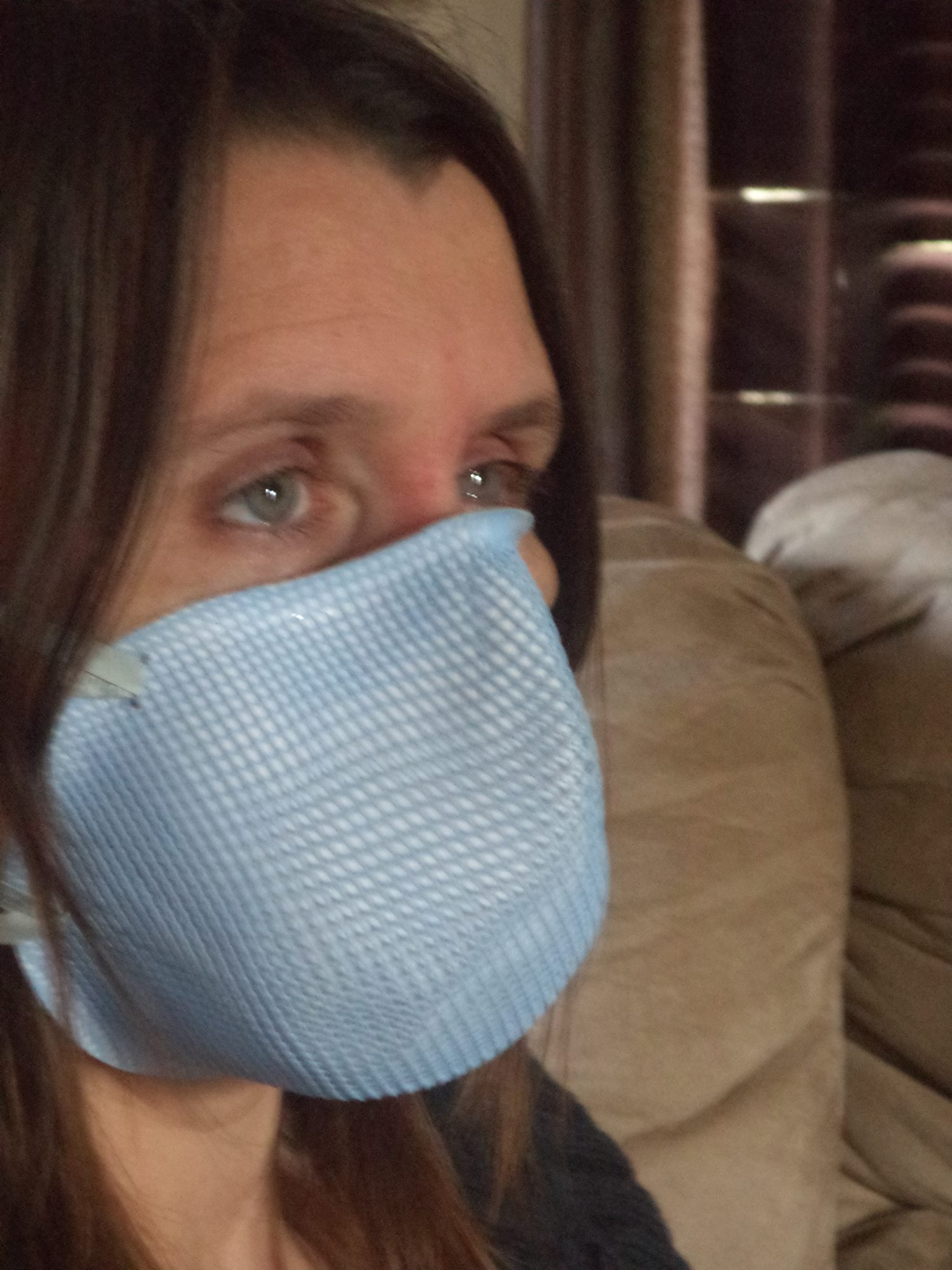
What I Wear In Bad Air :: Debbie


2016 Debbie Clark Seely

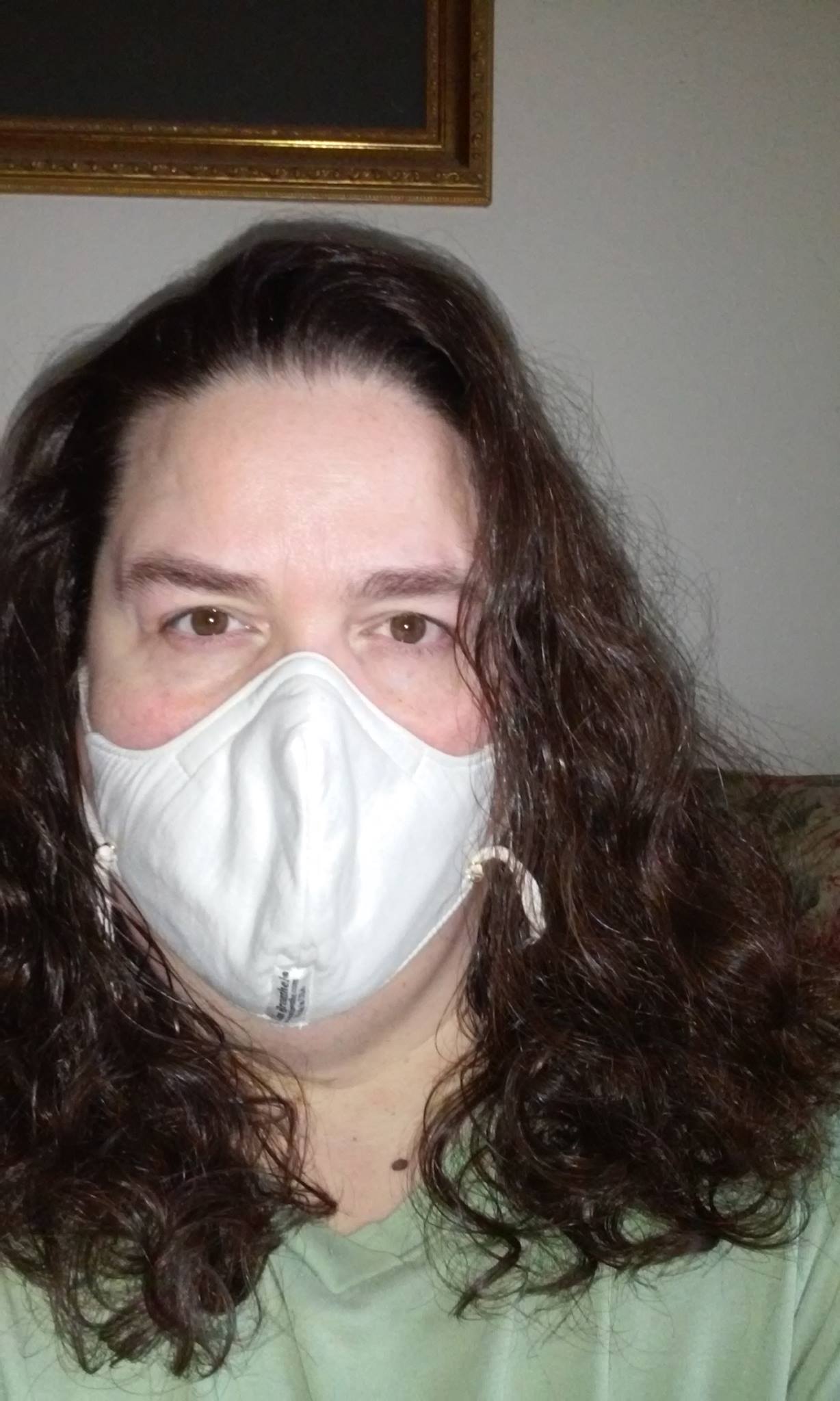
“This is me in my mask. I keep it right next to me in case I have to put it on quickly. I used to only use it when I went to the grocery store, but I haven’t been inside a store since July 2015.  I still end up needing it for when people come in my home or my neighbor’s laundry scent comes in.”

~ Debbie Clark Seely


For more info on masks, please see Continue reading

What I Wear In Bad Air :: Heather D.


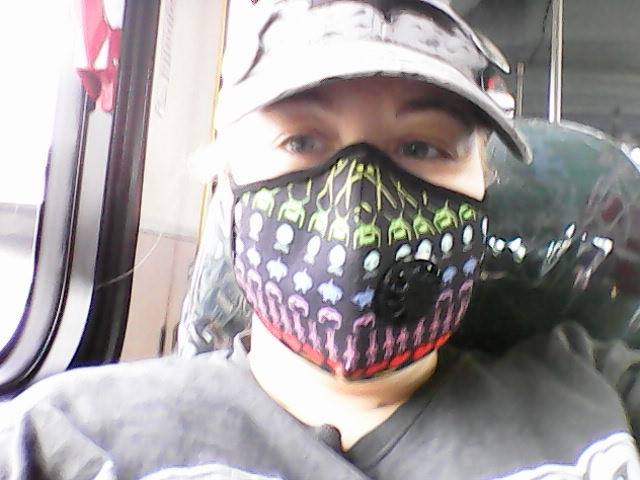
2016 Heather Drakonis in VOG mask

“I never leave home without it. I picked the fun looking Space Invaders to try and make others more comfortable with me. I take the bus once or twice a month to Seattle for my medicine. With my mask I have reduced my pneumonia by almost 60%. I do feel like people think I’m going to make them sick. Some cross the street with their children. It saves my life, but hurts my feelings. I just want society to understand that my mask is no threat to them.”

~ Heather Drakonis

For more info on masks, please see Continue reading

MCS/ES Symptoms

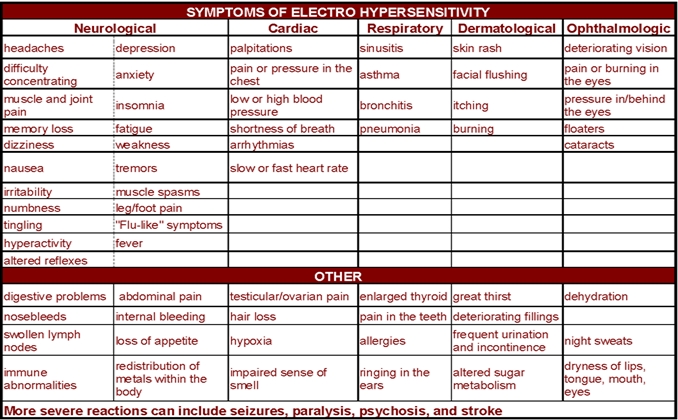
MCS/ES and EHS symptom lists resemble several other symptom lists.

There are many symptoms. Not all are immediate. Some can be delayed.

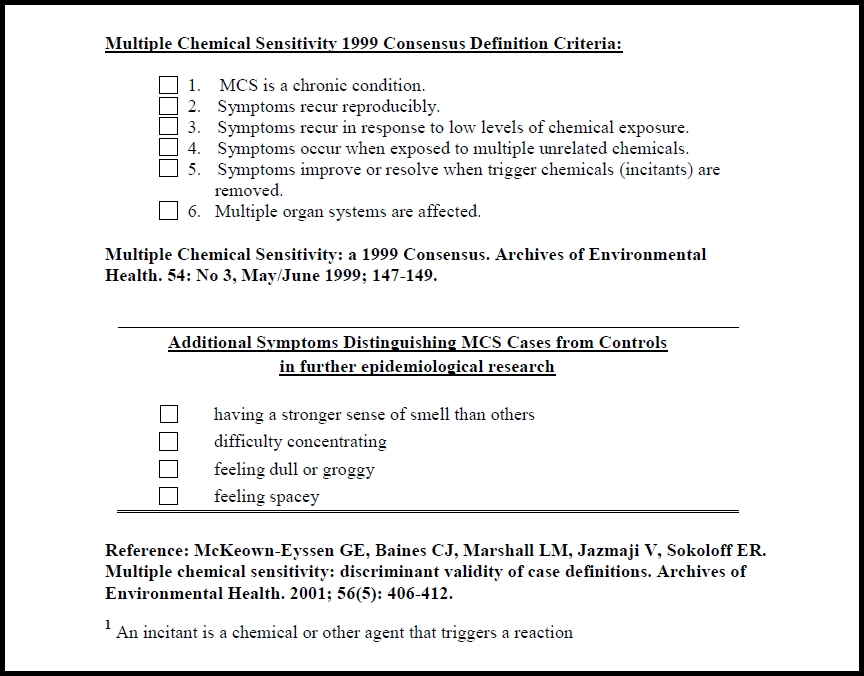
MCS Definition Criteria 1999

1999 Consensus Definition Criteria:

1. MCS is a chronic condition.
2. Symptoms recur reproducibly.
3. Symptoms recur in response to low levels of chemical exposure.
4. Symptoms occur when exposed to multiple unrelated chemicals.
5. Symptoms improve or resolve when trigger chemicals (incitants) are removed.
6. Multiple organ systems are affected.

Multiple Chemical Sensitivity: a 1999 Consensus.
Archives of Environmental Health. 54: No 3, May/June 1999; 147-149.

EHS symptoms WEEPEHS symptom chart from WEEP

MCS ES symptoms include:

Continue reading

What I Wear In Bad Air :: Ellie


2016 Ellie

“Instead of cancer, I got MCS, meaning I stop breathing on contact with your everyday chemicals (plus a multitude of other symptoms.) Hey, there’s another perk! You might finally have the excuse you need to buy an expensive gas mask that can also be used with costumes! After all, once you get MCS, you can’t leave the house without one, so you’ll always be dressed for an adventure! #GoNatural”

Ellie uses this mask:

Continue reading

What I Wear In Bad Air :: Rolf


2016 Rolf Aerssens

“This is me wearing a half face ABEK-P3 respirator with multi-gas filters.

I wear my “ALLERGY PATIENT” vest to identify my mask as a “medical necessity”. It helps a lot with preventing unkind comments and odd looks from people,  and hopefully will help people ask before shooting in times of terrorist threats.

I’m holding my clean air helmet in my right hand. The blower unit is normally worn on the back and is only in front for the photo.

Continue reading

What I Wear In Bad Air :: Lisa M.


2016 Lisa M

“At one point I had to sleep in the mask when in a rental unit. There was smoke coming from a surrounding unit and toxicity from finish that was used on the floor. I typically use avoidance, but for situations where that is not completely possible the mask is used to help with some symptoms. One of the biggest issues I deal with is the impact of environmental triggers causing instant inflammation of my eyes. Since the mask does not help with that it has been necessary to wear it with glasses when avoidance is not possible.”

~ Lisa M.

For more info on masks see:

Continue reading

What I Wear In Bad Air :: Marie

2016 Marie LeBlanc 1

“I have to  wear my mask to do laundry in the basement because of mustiness and other people’s fragrances.”

~ Marie LeBlanc

Marie also shared an artistically altered image of her wearing her mask while waiting to see a doctor, because people were ignoring the fragrance-free signs on the wall behind her. Continue reading

When We HAVE to Wear A Mask to Breathe and Function

When breathing the air hurts…

When we have to filter and “purify” the air just to breathe…

What options do we have?

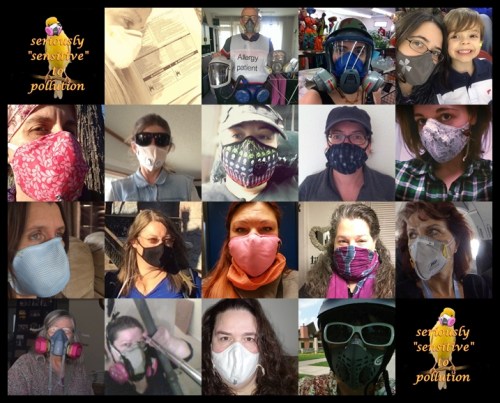
2016 MCS-ES Awareness Month Compilation

The Courageous Canaries of MCS/ES (and mask) Awareness Month 2016

Having an invisible disability is difficult, especially when many of the adverse effects are delayed and we have to deal with them in isolation.  Some people feel  self conscious about wearing a mask, especially if we can’t find a “pretty” one that we are able to use, despite how they can reduce adverse effects. If there’s any good that comes from wearing one (in addition to protecting our health a bit) wearing a mask when we have an invisible disability helps make us visible.

The type of mask we benefit most from will depend on our “sensitivities” and circumstances. Masks will filter the air we breathe in various degrees, but unless we have a full face respirator and wear a hazmat suit, our eyes and skin will still absorb chemicals that can have an adverse effect on our health and well-being. For this reason, they should not be thought of as complete protection from pollution, and are therefore best used only when absolutely necessary.

Information and resources about masks that filter out some of the different types of daily pollutants we are subjected to, and what kinds of filter materials are needed to purify what kinds of pollutants follows.

Continue reading