Tag Archives: cancer

In a Doctor’s Own Words: A Toxic Legacy and 12,000 (+) Canaries Later


Dr. John Molot is a doctor who sees patients with complex, chronic, environmentally linked, and often disabling, health conditions. Although he is retiring from private practice, he is still a staff physician in the Environmental Health Clinic at Women’s College Hospital in Toronto.

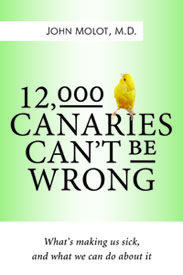
He recently released a book, “12,000 Canaries Can’t Be Wrong“,  wrote a report in support of the Ontario Centre of Excellence in Environmental Health (OCEEH), and appears in a video presentation about the health effects of common  chemical exposures (see below).

Check these out:

12,000 Canaries Can’t be Wrong
What’s making you sick & what can you do about it
Books

12000Canaries_hiRessm

Continue reading

Safer Plastic Symbols Surprise!

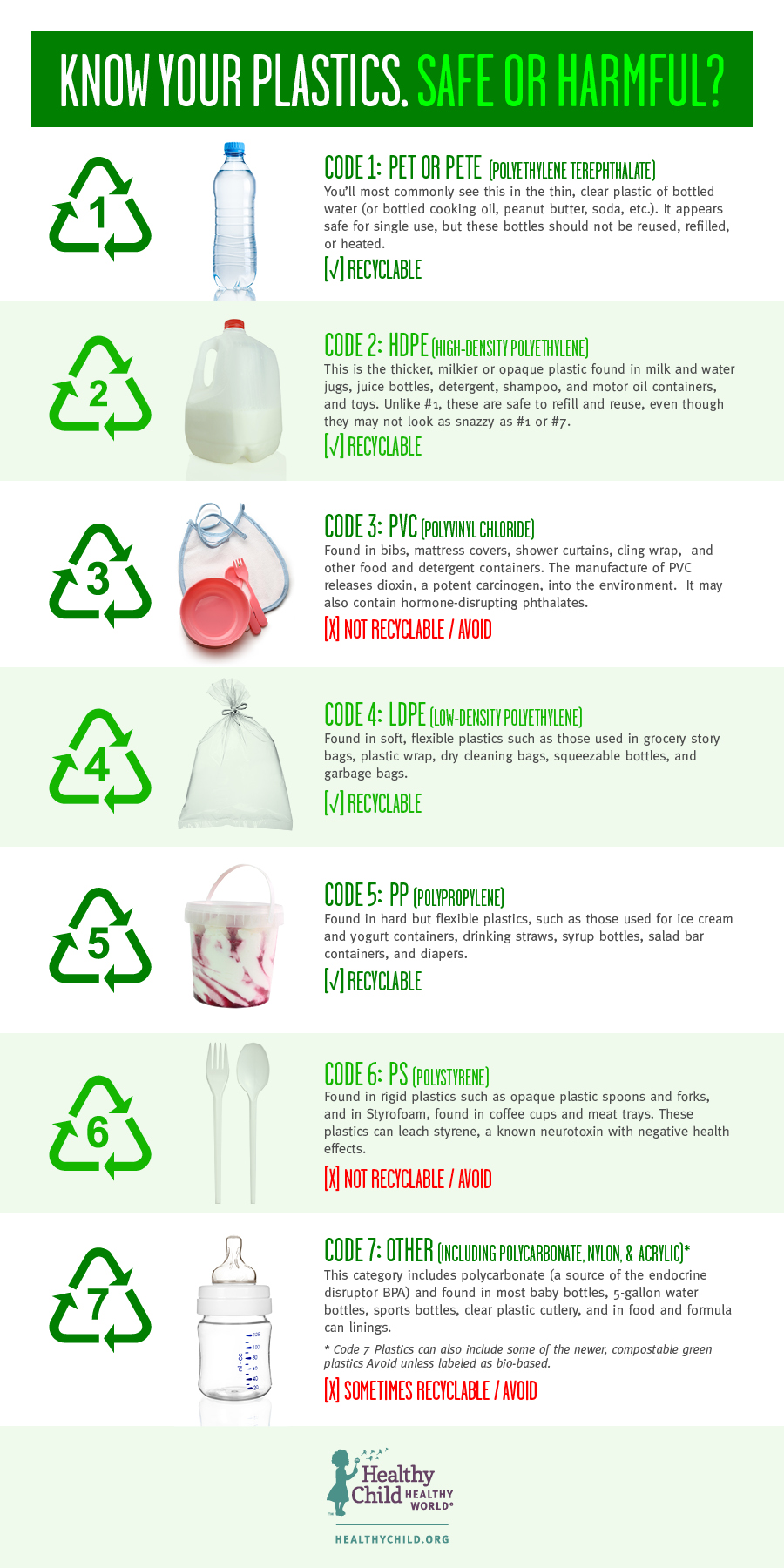
What if all the articles about safer plastics for foods and beverages were actually mistaken about these materials being safe around anything meant to be swallowed?

You know, the ones that say to avoid using containers with some symbols on the bottom, but those with other symbols are safe to use with your foods and drinks?

Like this one:

Plastics Safe or Harmful

HCHW_KnowPlastics900x1800_final

Guess what?

“The Society of the Plastics Industry (SPI) introduced its resin coding system in order to identify the various resins found in plastic bottles and rigid containers and to make sorting and recycling plastic bottles and containers easier for recyclers in Canada.

The code has no other purpose.

Despite the similarity in appearance between the SPI symbols and the Mobius loop, the presence of an SPI code does not indicate that the product is recyclable or is recycled locally.

Nor is it meant as a guide for safe use for food or beverage contact, or as an indicator of the intended use of the bottle or container…”

From: https://www.ic.gc.ca/eic/site/oca-bc.nsf/eng/ca02747.html

plastic symbols SPI

But that’s not all…

“According to a new study by the Food Packaging Forum, 175 chemicals with known hazardous properties are legally used in the production of food contact packaging in Europe and the U.S.”

!!!

Continue reading

Eating Real Food Reduces Plastic Chemicals in Our Bodies!

I’ve written about endocrine disrupting chemicals in food before.

supermarket food contaminated

I just ran across a nice short video from the Massachusetts Breast Cancer Coalition, featuring Ruthann Rudel, the Director of Research at Silent Spring Institute describing the problem and how eating real food for just three days decreased the levels of BPA and phthalates in the people tested.

What we eat matters. There’s more we can do. Watch:

Continue reading

Here’s An Interview You Don’t Want To Miss!

An Interview With Bruce Lourie

Connie from the Breast Cancer Fund recently interviewed Bruce Lourie, who has (among many other things) co-authored two books with Rick Smith. Many of you will be familiar with their first book “Slow Death By Rubber Duck”. They recently released a new book “TOXIN TOXOUT”, which was written after repeatedly being asked what could be done about the chemical body burden they discovered and discussed in their first book. In this interview Bruce very candidly discusses some of the issues we all face regarding everyday chemical exposures, and touches on what we can all do about them.

toxINtoxOUT

I’m pretty sure you will want to buy the book after you check out the interview. I don’t have Kobo (just kindle for PC) and can’t read paper and ink books, so I am unable to read the book myself, but if I won a lottery, and wanted to gift everyone I know a book, based on what Bruce discusses in the interview, I think this would be the book.

Continue reading

Cancer Rates Rising for Children and Adults

This is not surprising news, given what is being allowed and encouraged as economic activity these days.

Childhood and adolescent cancer statistics, 2014

child cancer(click to enlarge image)

Abstract

Continue reading

More Reasons and Resources to go Fragrance Free

If fragrances and the products they are added to didn’t contain so many seriously  harmful ingredients which pollute the air we all breathe, the clothing we wear, the water we drink, and the soil we grow the foods we eat in, there wouldn’t be a need to go fragrance-free. Strangely, the fragrance industry has seen fit to include a vast array of toxic, petrochemical pollutants and highly allergenic substances in their products.

Here are some resources to use in making schools, workplaces and homes safer places to be. Some are new, some I’ve already linked to in other places on this site.

Hope you find them helpful.

access safe

from  The CDC and MCS

The CDC Indoor Environmental Quality Policy from 2009 explicitly states:

“Fragrance is not appropriate for a professional work environment, and the use of some products with fragrance may be detrimental to the health of workers with chemical sensitivities, allergies, asthma, and chronic headaches/migraines.” …

Potential hazards include chemicals, biological agents, fragrant products, and physical conditions that may cause irritation, illness, or exacerbate existing health conditions” …

Continue reading

There’s Petrochemicals in What?

We now breathe, drink, eat and wear petrochemicals every where, every moment, every day! There’s no getting away from them!

Where are they coming from?

“The petroleum industry includes the global processes of exploration, extraction, refining, transporting (often by oil tankers and pipelines), and marketing petroleum products… Petroleum (oil) is also the raw material for many chemical products, including pharmaceuticals, solvents, fertilizers, pesticides, and plastics.”

(https://en.wikipedia.org/wiki/Petroleum_industry)

So many of the things we use (and consume) are being made from petrochemicals.

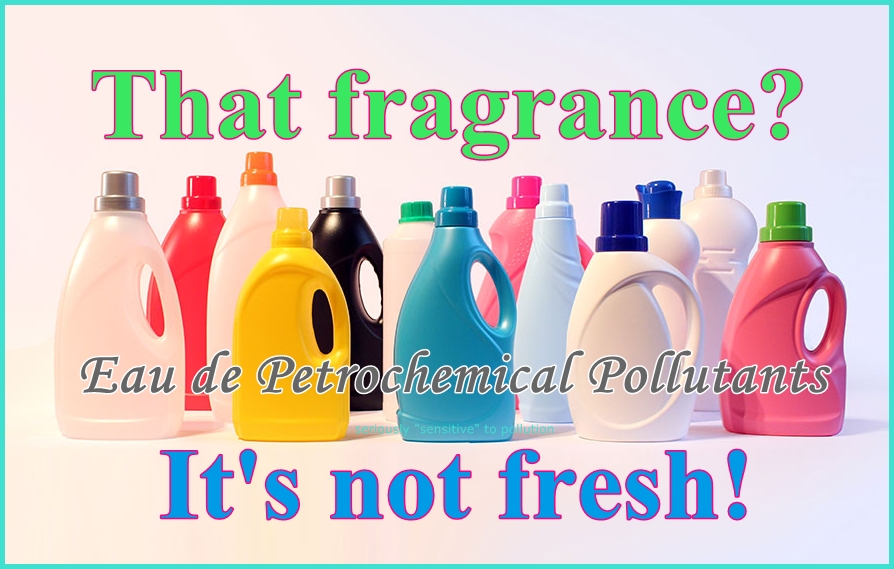
eau de petrochemical pollutants

Check out these two charts:

Continue reading

In the News: Toxic Troubles


toxic troubles in the news

The evidence (and casualties) are piling up

– Articles about the neurotoxic pandemic
– From Harvard… on Everyday Toxic Trespass
– Powerful article about perfumes  for children
– Pesticides in flea collars harm children too
– Important news about ALL pesticides
– Someday there will be less toxic clothing
– Driveway sealants are bad for Your health
– Doctors can’t be counted on to help treat oil related illnesses
– Illnesses linked to toxic chemicals increase health care costs
– Chemically injured woman has to sleep in a tent
– Some Things We Can Do

Why do we need much better laws and regulations to protect us and future generations?  Have a look at the following articles:

Continue reading

Wireless Safety Standards… Safe For Who?

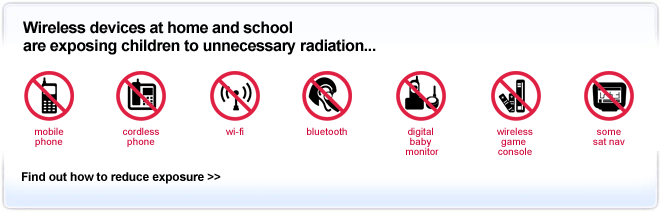
We live in an increasingly wireless world. Manufacturers are even making wireless devices for babies now! Yet, current safety standards do not take into consideration all the effects of wireless radio frequencies on our bodies, especially those of children!!!

Cell Phones, Radiation & Your Child’s Health

children and cellphones(Text added to original photo from Healthy Child Healthy World)

Autism and EMF? Plausibility of a pathophysiological link

Part 1
http://www.ncbi.nlm.nih.gov/pubmed/24095003   PMID: 24095003 [PubMed] or
http://www.pathophysiologyjournal.com/article/S0928-4680%2813%2900037-0/abstract

Part 2
http://www.ncbi.nlm.nih.gov/pubmed/24113318  PMID: 24113318 [PubMed] or
http://www.pathophysiologyjournal.com/article/S0928-4680%2813%2900038-2/abstract

Wireless products - protecting your children
Wireless products – protecting your children

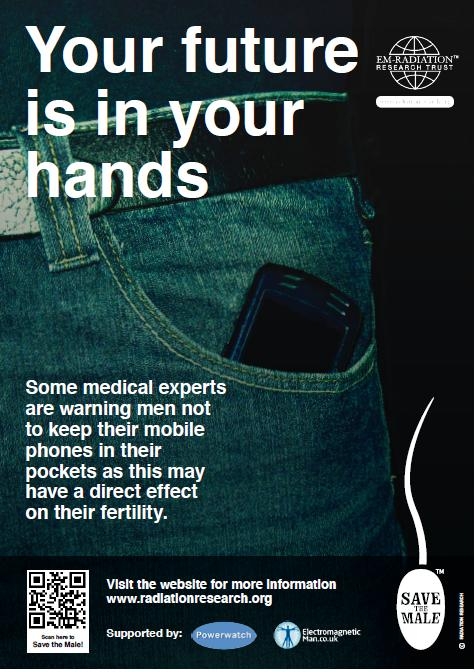
Men, did you know you can damage your sperm if you keep your wireless device in your pant pocket? Putting it in your shirt pocket might not be any safer, as there are reports of adverse effects on the heart and of breast cancers when phones were there.

Save The Male

Mobile phones affect sperm quality

We are in urgent need of updating safety standards, and Health Canada has appointed a committee to do something, but it isn’t clear exactly what.

At the following link, you can access the videos and written reports of many of the submissions prepared for The Royal Society of Canada Expert Panel Review public hearing day on Safety Code 6, Limits of Human Exposure to Radiofrequency Electromagnetic Energy (wireless radiation safety)

Continue reading

Exposed to plastic fumes, women working in some factories have a 400% increased risk of breast cancer, study says

Thanks Global and 16 x 9 for looking into this.

Current chemical regulations don’t come close to protecting our health, or the health of the people who have to work with them on a daily basis.
Life (and health) really needs to be prioritized over profits. There is no good reason to allow anyone to profit while polluting or causing others to suffer. Why not have industries making things that that contribute to health and well-being?

I agree with The Science and Environmental Health Network: “Regulating hazardous waste is always problematic. The basic premise is flawed: make products that are toxic and regulate the production, sales and disposal of those products. A far better approach is based on the precautionary principle: make products out of safe materials, require producer take-back of products. Search for the best alternatives to toxic chemicals and establish zero waste policies.”