Tag Archives: MCS/ES

MCS/ES Awareness Month 2014

 It’s that time of year again. Welcome to MCS “Awareness” Month!

People with disabilities have the right to equal treatment and equal access

Barriers to access can be physical, attitudinal or systemic. Conveniences can also create barriers. If you are unable to remove a barrier to accessibility, consider what else can be done to provide services to people with disabilities. No-one should live without safe access to the necessities of life.

What is disability? (Ontario Human Rights Commission)

“Disability” covers a broad range and degree of conditions, some visible and some not visible. A disability may have been present from birth, caused by an accident, or developed over time. There are physical, mental and learning disabilities, mental disorders, hearing or vision disabilities, epilepsy, drug and alcohol dependencies, environmental sensitivities, and other conditions.”

Removing barriers and designing inclusively

Persons with disabilities face many kinds of barriers every day. These can be physical, attitudinal or systemic. …

Identifying and removing barriers also makes good business sense. As well as meeting the needs of customers or employees with disabilities, removing barriers can also help other people…

Employers, unions, landlords and service providers can start by doing an accessibility review of their facilities, services and procedures to see what barriers exist. You can then make an accessibility plan and begin to remove the barriers.

It is also helpful to create an accessibility policy and a complaints procedure. These steps will help you remove existing barriers and avoid making new ones. The best way to prevent barriers is to design inclusively

Barriers aren’t just physical. Taking steps to prevent “ableism” – attitudes in society that devalue and limit the potential of persons with disabilities – will help promote respect and dignity, and help people with disabilities to fully take part in community life…

The duty to accommodate

Even when facilities and services are designed as inclusively as possible, you may still need to accommodate the individual needs of some people with disabilities. Under the Code, unions, landlords and service providers have a legal “duty to accommodate” persons with disabilities. The goal of accommodation is to allow people with disabilities to equally benefit from and take part in services, housing or the workplace.

Accommodation is a shared responsibility. Everyone involved, including the person asking for accommodation, should work together, exchange relevant information, and look for accommodation solutions together…

 

Some Resources: Continue reading

We Share the Air Canary

we share the air canary

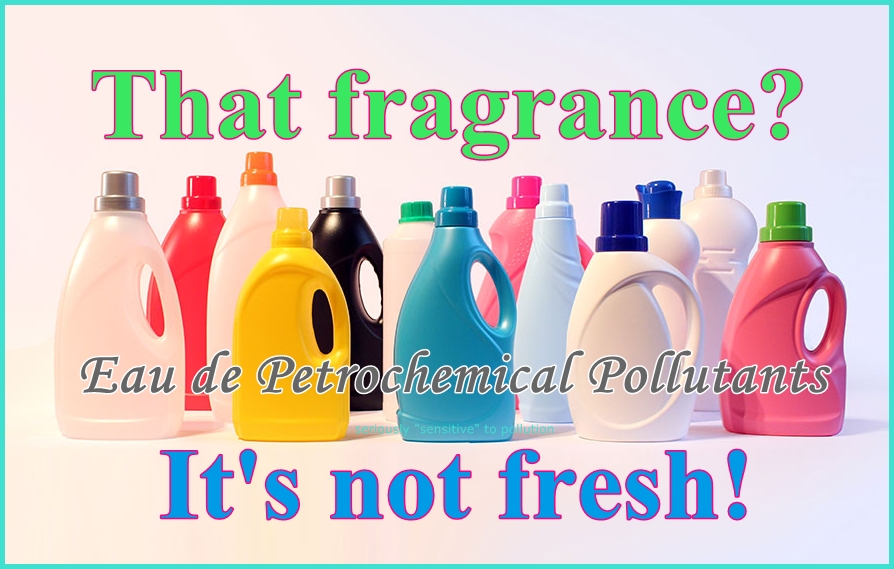
Choose fragrance-free products. Clean air is fragrance-chemical-free. Fragrance chemicals create an invisible barrier to access for people who are disabled by pollutants and can cause health harm to everyone who breathes.

We share the air! Help keep it clean!

Big News for Ontario

From the News Release:

“The province is providing nearly $560,000 to support two new annual fellowships over three years for a total of six new fellowships. They will allow family medicine graduates to complete an extra year of focused training in environmental health, and will help primary care providers like family doctors offer the right care to assess, diagnose and treat environmentally-linked health issues.”


“Environmental health is an emerging public health field that examines the relationship between the environment and human health. This includes the role of the environment in contributing to serious health conditions that can be disabling and even life threatening, such as environmental sensitivities, myalgic encephalomyelitis/chronic fatigue syndrome, fibromyalgia and other chronic, complex disorders. ”


“There is a growing recognition that our environment and our health are connected. Through these new fellowships, we can develop greater understanding of the links between health and the environment in order to provide better care to those suffering from complex chronic illnesses.”

~
~ Deb Matthews
Minister of Health and Long-Term Care


“The study of the environment’s effects on human health is an important emerging field of research. Support for investigating environmental impacts on health is emblematic of our government’s commitment to strengthen healthy communities.”

~
~ Jim Bradley
Minister of Environment

Full News Release:

Continue reading

There’s Petrochemicals in What?

We now breathe, drink, eat and wear petrochemicals every where, every moment, every day! There’s no getting away from them!

Where are they coming from?

“The petroleum industry includes the global processes of exploration, extraction, refining, transporting (often by oil tankers and pipelines), and marketing petroleum products… Petroleum (oil) is also the raw material for many chemical products, including pharmaceuticals, solvents, fertilizers, pesticides, and plastics.”

(https://en.wikipedia.org/wiki/Petroleum_industry)

So many of the things we use (and consume) are being made from petrochemicals.

eau de petrochemical pollutants

Check out these two charts:

Continue reading

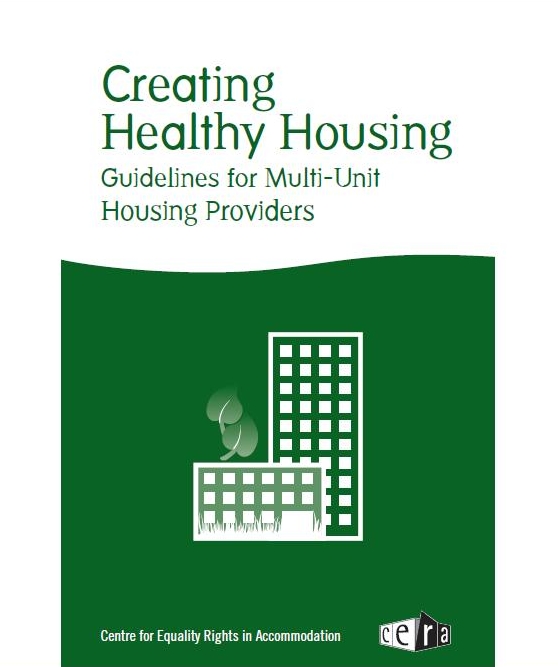
Property Manager’s Guides to MCS

From the Centre for Equality Rights in Accommodation (CERA):

Environmental Sensitivities and Housing

Every year, CERA receives a significant number of calls from tenants being made ill from the poor indoor air quality in their apartment buildings. Most of these individuals suffer from environmental sensitivities and are particularly sensitive to contaminants in the air. With funding assistance from the Ontario Trillium Foundation, CERA recently launched HomeSafe, an initiative to educate tenants and multi-unit housing providers on strategies to improve indoor air quality and create healthier living environments.

The resources section has some excellent documents that are designed to “help landlords, property managers, and co-operative and condominium boards of directors reduce the health impacts associated with multi-unit housing and create living environments that are as safe and “green” as possible… and make their properties more attractive…”

For example:

Continue reading

Report: RECOGNITION, INCLUSION AND EQUITY – THE TIME IS NOW

Many of us have been waiting for action for decades, let’s hope that this is the project that finally makes it happen. It has been a long time coming…

‘RECOGNITION, INCLUSION AND EQUITY – THE TIME IS NOW: PERSPECTIVES OF ONTARIANS LIVING WITH ES/MCS, ME/CFS AND FM’

Recognition Inclusion and Equity the Time is Now

From Varda Burstyn:

At long last, I am writing to let you know about four new groundbreaking reports – products of a 5-year initiative that I and colleagues began in 2008 – that present exciting new research on the three environmentally linked conditions of ES/MCS, ME/CFS and FM, and that develop a wonderful new model of care and support for those living with the conditions in Ontario.

Continue reading

Can a New Normal Be a Good Thing?

Over the years, when discussing life with MCS/ES, it is often mentioned that this is a life with a new normal. It’s a new normal that none of us asked for, and too often, it is not a very nice new normal at all.

Recently, I’ve been able to explore some of Charles Eisenstein’s work and ran across this quote:

ANewNormal

I’m pretty sure he wasn’t thinking about MCS/ES when he said that, as we aren’t the only ones on this planet who are experiencing radical changes, but those of us with MCS/ES have been learning important lessons that we can share as a part of this new way of being that is slowly emerging.

When we develop MCS/ES, everything (or almost everything) changes.

Continue reading

New PAGE on Statistics for MCS/ES, FM and ME/CFS

I’ve assembled prevalence statistics from Canada and the US into one place, including images and links to documents with more information.

Included are links and images with Canadian stats for MCS/ES, FM, and ME/CFS, and US stats for MCS. I will update to include more stats from more countries when I have reliable sources for them. Please share any that you are aware of.

The new page is located at the top of this site under the MCS/ES page, or via this link:

Statistics for MCS/ES, FM and ME/CFS

Here is a sample of what you will find there:

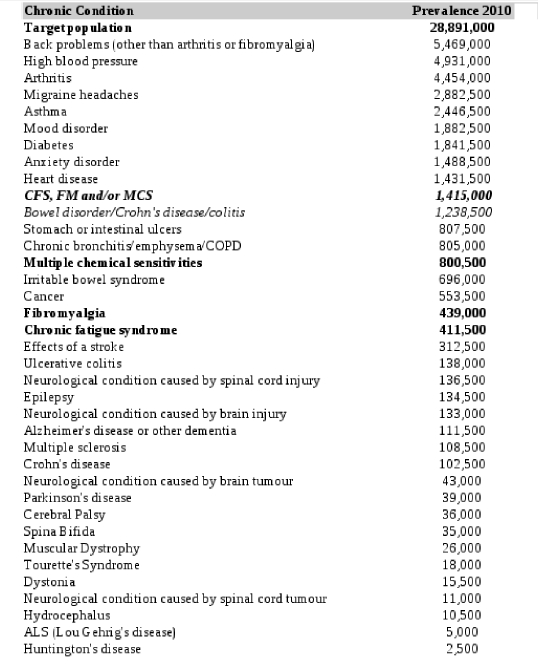
According to The Canadian Community Health Survey (CCHS) and Statistics Canada, between 2005 and 2010 the rates of people diagnosed with Multiple Chemical Sensitivities (MCS), Fibromyalgia (FM) and Chronic Fatigue Syndrome (CFS) in Canada increased significantly.

The number of people diagnosed with MCS increased by 31%
The number of people diagnosed with FM increased by 15%
The number of people diagnosed with CFS increased by 24%

Chronic Conditions Prevalence Comparisons
(for perspective)

You can find all the statistics, links and images in the ‘Statistics for MCS/ES, FM and ME/CFS’ page at the top of this site under the MCS/ES page, or click on this link:

https://seriouslysensitivetopollution.wordpress.com/mcses/statistics-for-mcses-fm-and-mecfs/

With gratitude to the National ME/FM Action Network for much of the material.

Personal Update: It’s No Longer All In My Head!

Well, it never really ever was all in my head.

My arms, legs and the rest of my body have been affected too. But most of it was because things weren’t functioning as intended in my brain (which still IS in my head), and since brain functions control so many other things (like how our body functions, and how we communicate), when brain chemistry is altered (with or without choice or permission) then body functions will be altered too.

Think of what happens when you have a drink, then a few more, and then finish the bottle… Are you functioning the same way before drinking as after?

Personal Update Part One:

I am doing a lot better these days, in some ways even thousands of times better than I was doing by the time I left Bloor Street in May of 2010. I can now usually get through most of my days without everything requiring constant, exhausting effort, but it hasn’t turned into me being able to do or accomplish that much more in actual practical terms.

I still have brain issues and most of the other practical limitations that come from MCS/ES and a toxic brain injury, but recently, I have started feeling so much better!

I am trying to wrap my mind around that because it doesn’t make logical, rational sense to me. How is it that I can feel so much better without doing so much better?

Maybe it has just been so long since I’ve felt even halfway ok, and because some part of my brain chemistry is working differently and more normally…?

Whatever it is, it isn’t tangible, but it is a very welcome change!

water dance

Part Two: Insights

Continue reading

Personal Care Products, Pesticides, Health and Water…

The Toxic Evidence Piles Up and Doesn’t Wash Away

We all breathe the air. We all drink water. We all eat. We all wash ourselves.

We should be able to do this safely.

SO WHY ARE

so many toxic chemicals used in everyday products and materials, and found in our air, in our water, in our food, and in our brains and bodies?

Did you consent to this?

New reports have been released about toxic chemicals and health harm from products and materials most of us are exposed to a multitude of times on a daily basis…

Personal care products and pesticides

Poisoning Our Future
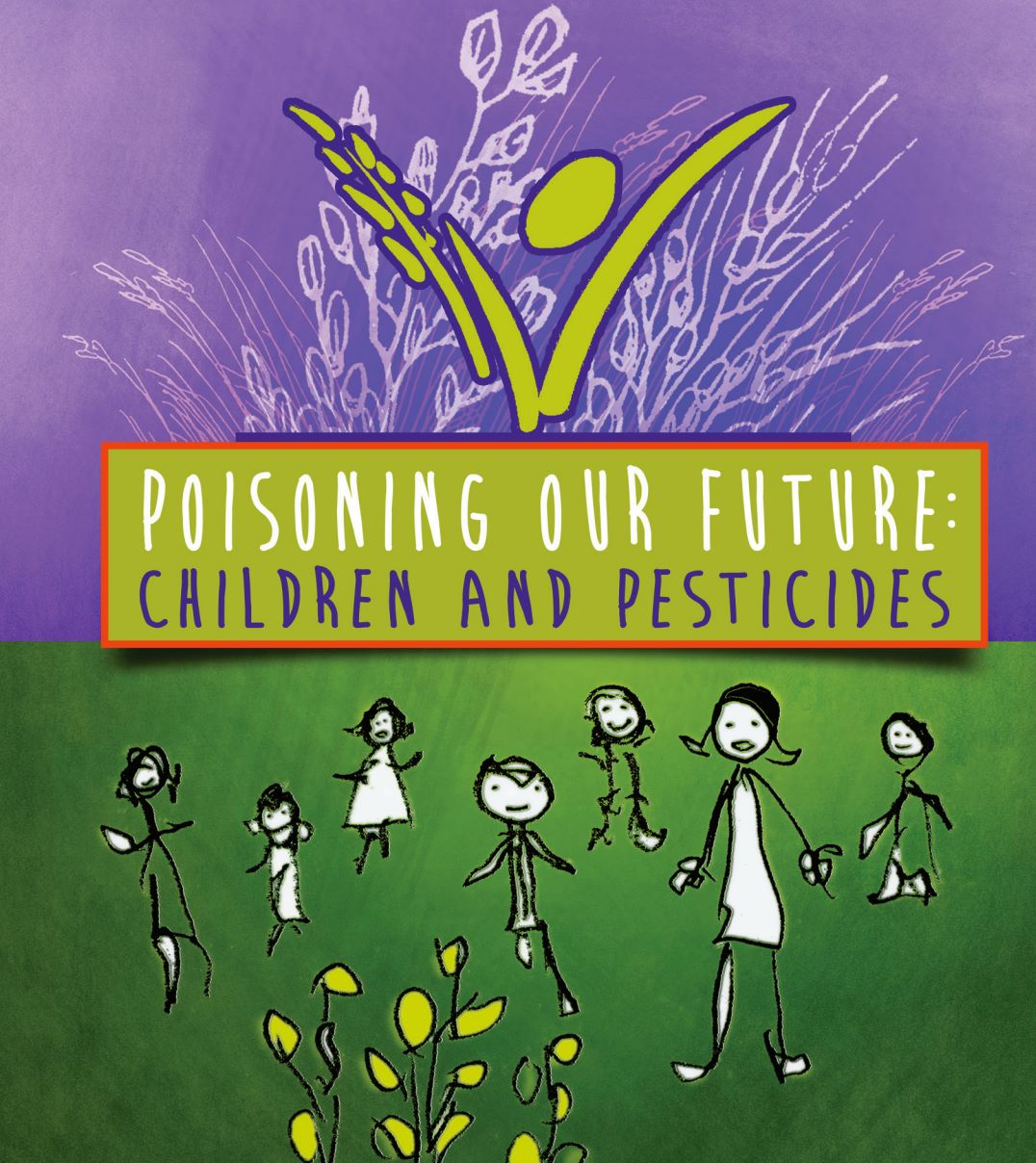
“Poisoning Our Future: Children and Pesticides”

PAN AP launched a (free) book on insidious effects of pesticides on children

Continue reading