Tag Archives: allergies

It’s Not Personal, It’s The Chemicals #2

The images in the 1st It’s Not Personal, It’s The Chemicals  were so popular, I decided to make more while my brain was functioning in this mode. Here are a couple that were very well received on facebook, plus a few new ones featuring children and office workers, as they too are being impacted by what we choose to use and put in the air.

It s not you 16

It s not you children

Continue reading

In a Doctor’s Own Words: A Toxic Legacy and 12,000 (+) Canaries Later


Dr. John Molot is a doctor who sees patients with complex, chronic, environmentally linked, and often disabling, health conditions. Although he is retiring from private practice, he is still a staff physician in the Environmental Health Clinic at Women’s College Hospital in Toronto.

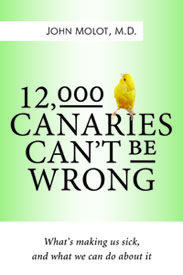
He recently released a book, “12,000 Canaries Can’t Be Wrong“,  wrote a report in support of the Ontario Centre of Excellence in Environmental Health (OCEEH), and appears in a video presentation about the health effects of common  chemical exposures (see below).

Check these out:

12,000 Canaries Can’t be Wrong
What’s making you sick & what can you do about it

Books

12000Canaries_hiRessm

Continue reading

Video: Going Fragrance-Free PSA

Here’s a good three minute PSA from Frederick Community College about going fragrance-free:

More resources:

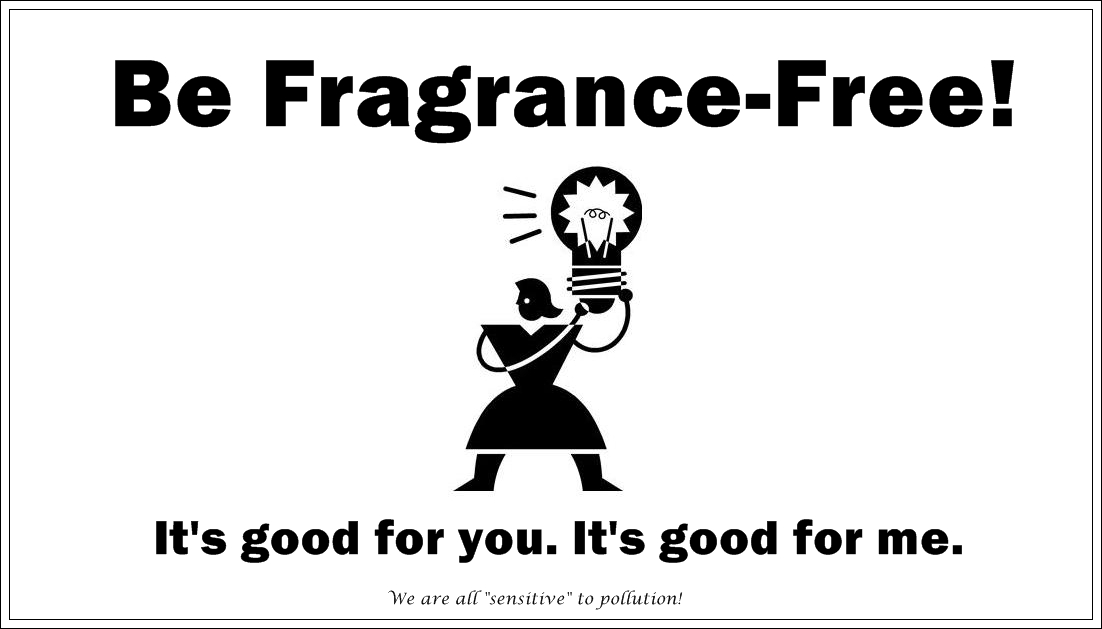
be fragrance-free 1

Fragrance chemical pollution is as harmful as smoke, and has serious short and long term impacts on health and productivity.

Continue reading

MCS/ES Research

research MCS ES ...

I’ve created a Research PAGE with links and downloads to a variety of scientific offerings and resources, especially for those who want more published “proof” that MCS is “real”.

May your friends, family and medical professionals be reassured by the evidence.

“Sensitivities” in the Canadian Family Physician journal

The June 2014 edition of the Canadian Family Physician journal contains a couple of excellent articles by Dr Stephen J. Genuis. Here’s the abstract and link to one of them:

Approach to patients with unexplained multimorbidity with sensitivities

Abstract:

Objective To explore the underlying causation of unexplained multimorbidity with sensitivities and to discuss the management of patients who present with this perplexing condition.

Sources of information Medical and scientific literature was used from MEDLINE (PubMed), several books, toxicology and allergy journals, conference proceedings, government publications, and environmental health periodicals.

Main message Multimorbidity with sensitivities has become an increasingly common and confusing primary care dilemma. Escalating numbers of debilitated individuals are now presenting to family physicians and specialists with multisystem health complaints, including sensitivities and fatigue, with no obvious causation, a paucity of laboratory findings, and a lack of straightforward solutions. In the recent scientific literature, there is discussion of sensitivity-related illness, an immune-mediated disorder that frequently manifests with multisystem symptoms, commonly including sensitivities and fatigue.

Continue reading

Safer Plastic Symbols Surprise!

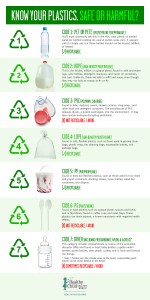
What if all the articles about safer plastics for foods and beverages were actually mistaken about these materials being safe around anything meant to be swallowed?

You know, the ones that say to avoid using containers with some symbols on the bottom, but those with other symbols are safe to use with your foods and drinks?

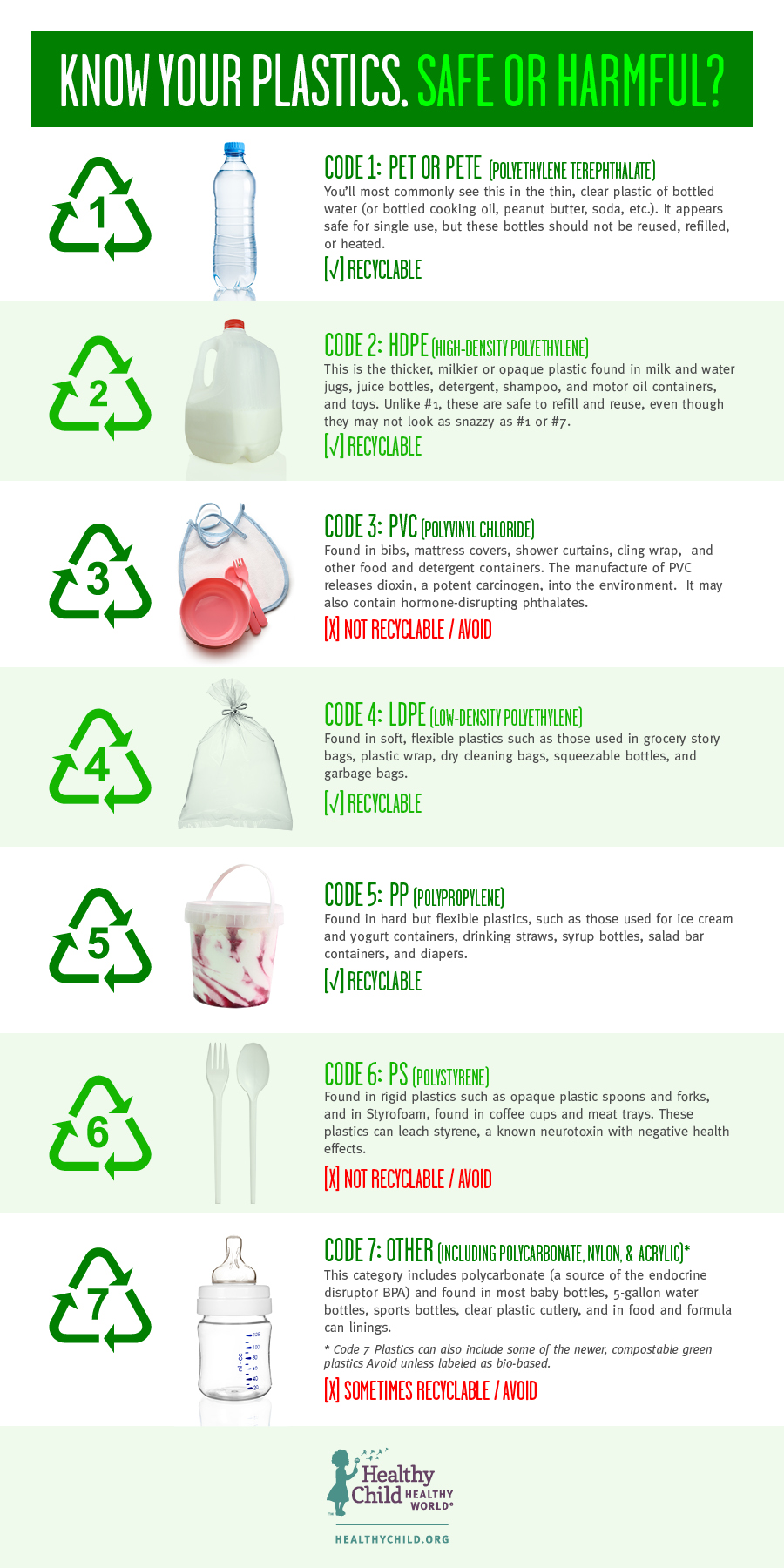
Like this one:

Plastics Safe or Harmful

HCHW_KnowPlastics900x1800_final

Guess what?

“The Society of the Plastics Industry (SPI) introduced its resin coding system in order to identify the various resins found in plastic bottles and rigid containers and to make sorting and recycling plastic bottles and containers easier for recyclers in Canada.

The code has no other purpose.

Despite the similarity in appearance between the SPI symbols and the Mobius loop, the presence of an SPI code does not indicate that the product is recyclable or is recycled locally.

Nor is it meant as a guide for safe use for food or beverage contact, or as an indicator of the intended use of the bottle or container…”

From: https://www.ic.gc.ca/eic/site/oca-bc.nsf/eng/ca02747.html

plastic symbols SPI

But that’s not all…

“According to a new study by the Food Packaging Forum, 175 chemicals with known hazardous properties are legally used in the production of food contact packaging in Europe and the U.S.”

!!!

Continue reading

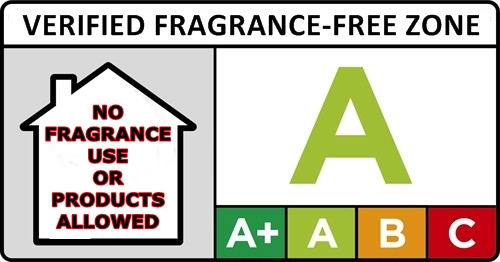
Verified Fragrance-Free Supply Chains

Due to the increasing numbers of people with allergies and sensitivities to, and injuries from VOCs and other fragrance ingredients, there is a growing need for fully verified fragrance-free supply chains.

Many of us need products and foods handled in such a way from beginning to end, as to prevent first, second and third hand fragrance and other chemical contamination.

Organic food that has been handled by someone with scented hand lotion, or that has sat in a store full of fragrance molecules will absorb those chemicals, and potentially be as toxic as food that has pesticide residues (for people who must, for medical and health reasons, avoid petrochemical exposures). Clothing, bedding toilet paper and other materials also absorb fragrances, which can be hard (if not impossible) to remove.

This presents a business opportunity for entrepreneurs, to provide a service for people whose health depends on it, as well as for those who wish to prevent health problems.

verified fragrance-free zone NO FRAGRANCE Continue reading

Property Manager’s Guides to MCS

From the Centre for Equality Rights in Accommodation (CERA):

Environmental Sensitivities and Housing

Every year, CERA receives a significant number of calls from tenants being made ill from the poor indoor air quality in their apartment buildings. Most of these individuals suffer from environmental sensitivities and are particularly sensitive to contaminants in the air. With funding assistance from the Ontario Trillium Foundation, CERA recently launched HomeSafe, an initiative to educate tenants and multi-unit housing providers on strategies to improve indoor air quality and create healthier living environments.

The resources section has some excellent documents that are designed to “help landlords, property managers, and co-operative and condominium boards of directors reduce the health impacts associated with multi-unit housing and create living environments that are as safe and “green” as possible… and make their properties more attractive…”

For example:

Continue reading

Allergic to a World Full of Cats?

Warning: This post contains many photos of cats.

What follows is something I thought was a great response by Kristine Kruszelnicki  to someone who trivialized her MCS and compared it to his cat allergy

(shared with her permission, and with many photos of cats added by me):

Continue reading

20 Petrochemicals to Avoid in Personal Care and Laundry Products


Re-posting with permission

20 of the most common Petrochemical Skin Care Ingredients to Avoid

The Organic Natural Beauty Directory urges all consumers to carefully read the ingredient labels on the products they intend to buy and be fully aware of what goes in them, that way you will know what to avoid. Ingredients are listed most used to least used (meaning that the first ingredient listed is what makes up the largest part of the product). It is extremely alarming to know that many major brands of skin care and personal care products contain petrochemicals in them.

It pains and angers me to see big beauty brands advertising on TV that they are ‘natural’ but when you look at their ingredients they may also contain some petrochemicals- so make sure you know your ingredients. This is why modern day consumers need to beware of ‘greenwashing’ and become educated on what the ingredients being used are.Your safest bet as a consumer is to choose products that contain all natural, whole and unprocessed botanical ingredients.

According to the ‘campaign for safe cosmetics website’.

“Many of these petrochemicals are known and scientifically proven to be toxic.”

“They can cause eye impairment, intestinal damage, kidney and liver problems, breathing problems, cysts, skin spots, rashes, premature aging and hair loss. Some are endocrine disruptors (that can cause hormonal disruptions and produce adverse developmental, reproductive, neurological, and immune effects), and some even carcinogenic (that can cause cancer, and in particular breast cancer)”.

Our skin is the largest organ in our body so it makes sense that we as consumers wake up & start taking control of what we feed ourselves.

Here is the A-Z list of the 20 most common petrochemicals used in personal care products:

toxic skull and bones

Continue reading