Category Archives: Chemicals

MCS/ES Symptoms

MCS/ES and EHS symptom lists resemble several other symptom lists.

There are many symptoms. Not all are immediate. Some can be delayed.

MCS Definition Criteria 1999

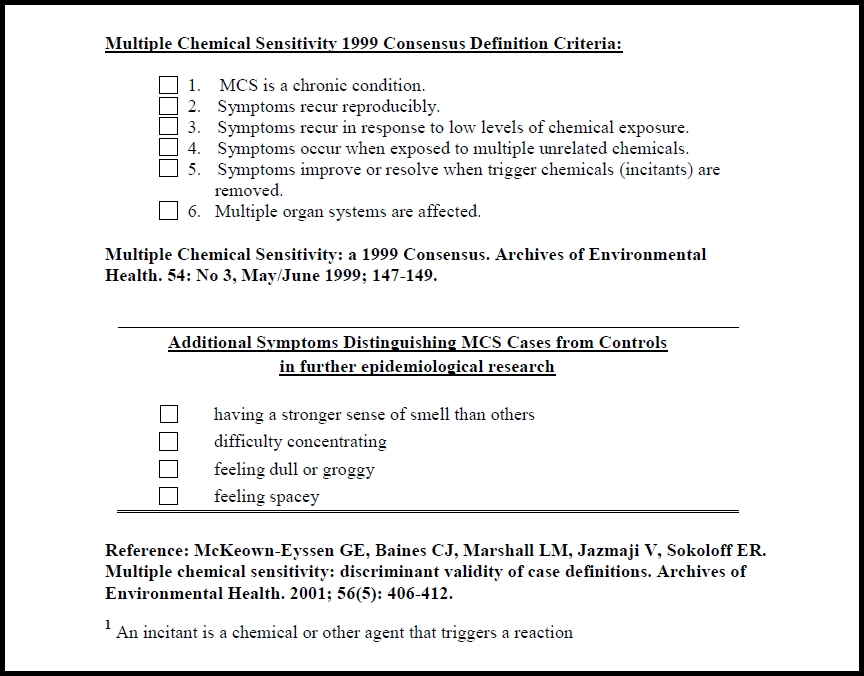
1999 Consensus Definition Criteria:

1. MCS is a chronic condition.
2. Symptoms recur reproducibly.
3. Symptoms recur in response to low levels of chemical exposure.
4. Symptoms occur when exposed to multiple unrelated chemicals.
5. Symptoms improve or resolve when trigger chemicals (incitants) are removed.
6. Multiple organ systems are affected.

Multiple Chemical Sensitivity: a 1999 Consensus.
Archives of Environmental Health. 54: No 3, May/June 1999; 147-149.

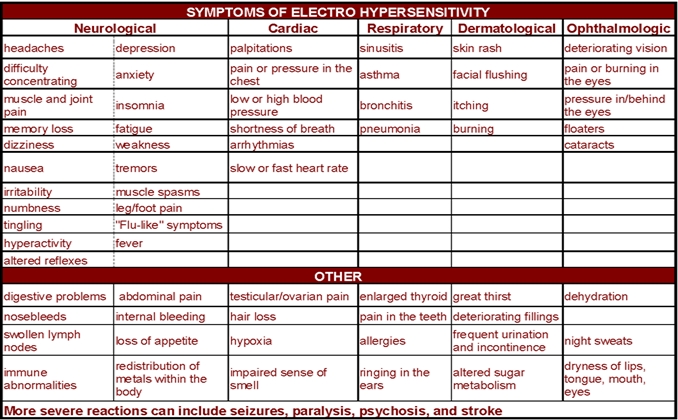
EHS symptoms WEEPEHS symptom chart from WEEP

MCS ES symptoms include:

Continue reading

What I Wear In Bad Air :: Ellie


2016 Ellie

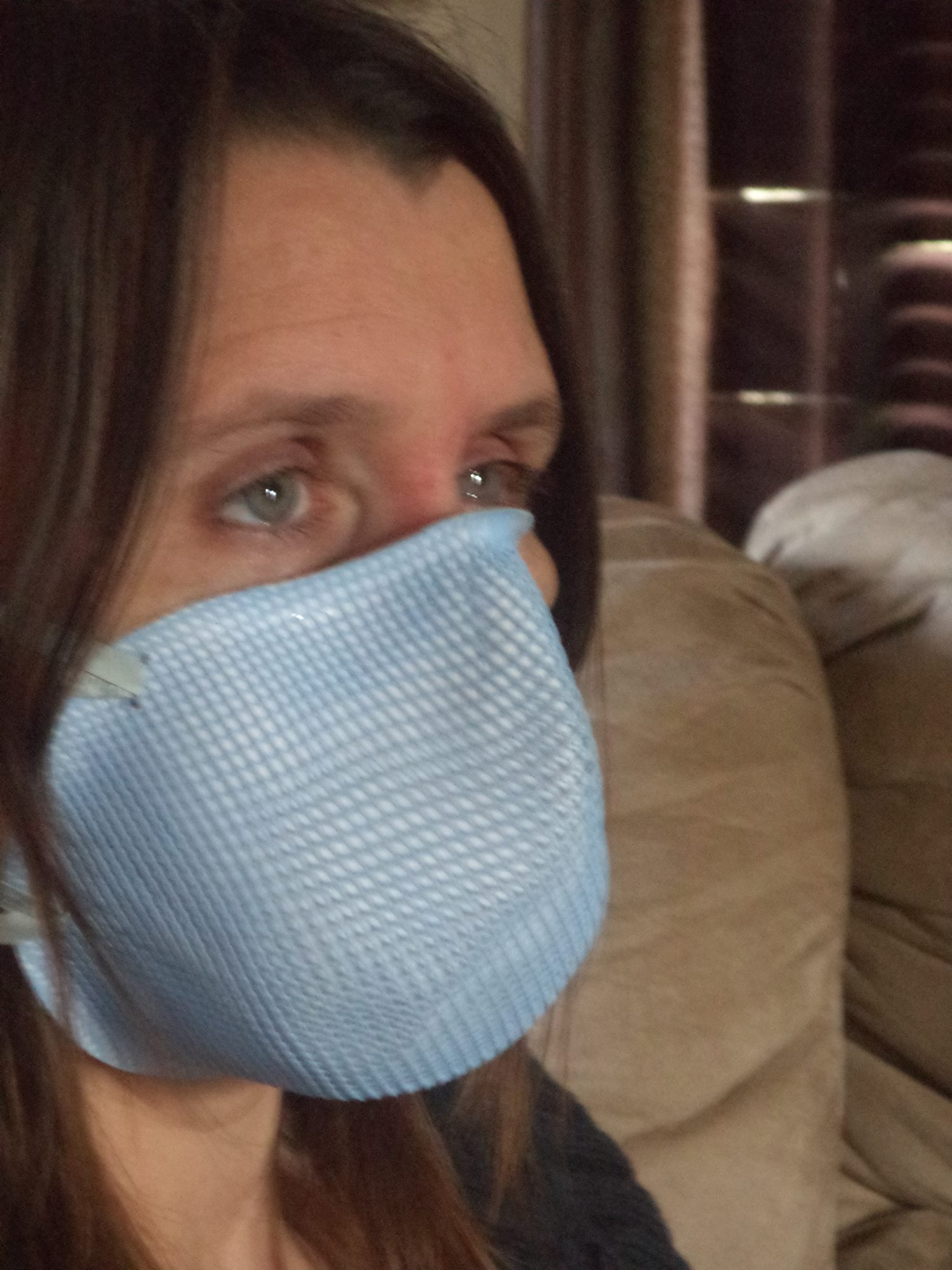
“Instead of cancer, I got MCS, meaning I stop breathing on contact with your everyday chemicals (plus a multitude of other symptoms.) Hey, there’s another perk! You might finally have the excuse you need to buy an expensive gas mask that can also be used with costumes! After all, once you get MCS, you can’t leave the house without one, so you’ll always be dressed for an adventure! #GoNatural”

Ellie uses this mask:

Continue reading

What I Wear In Bad Air :: D.R.B. and M.C.

2016 D.R.B.

“I never leave home without a scarf to wrap around my face. To give me a hands free quick exit.”

~ D.R.B.

2016 M.C.

“This is me cleaning a mouldy wall in my apartment after a flood in February.  I was wearing all 3 – nasal filters, a disposable R95 (mostly to keep gas mask plastic off skin), plus the P100!  Thankfully, I didn’t have to stay and was able to move into a mold-free unit, as one became available.”

~ M.C.

To learn more about masks see

Continue reading

What I Wear In Bad Air :: Rolf


2016 Rolf Aerssens

“This is me wearing a half face ABEK-P3 respirator with multi-gas filters.

I wear my “ALLERGY PATIENT” vest to identify my mask as a “medical necessity”. It helps a lot with preventing unkind comments and odd looks from people,  and hopefully will help people ask before shooting in times of terrorist threats.

I’m holding my clean air helmet in my right hand. The blower unit is normally worn on the back and is only in front for the photo.

Continue reading

What I Wear In Bad Air :: Lisa M.


2016 Lisa M

“At one point I had to sleep in the mask when in a rental unit. There was smoke coming from a surrounding unit and toxicity from finish that was used on the floor. I typically use avoidance, but for situations where that is not completely possible the mask is used to help with some symptoms. One of the biggest issues I deal with is the impact of environmental triggers causing instant inflammation of my eyes. Since the mask does not help with that it has been necessary to wear it with glasses when avoidance is not possible.”

~ Lisa M.

For more info on masks see:

Continue reading

MCS Awareness Month and Masks

May is MCS/ES Awareness Month

Due to the wide variety of chemical pollutants in our air these days, many people with MCS/ES have to wear a mask when leaving home (and sometimes even at  home) to prevent or reduce debilitating and disabling symptoms.

may is mcs es awareness month

Having an invisible (and inconvenient, or so we are told) disability is difficult, especially when many of the adverse effects are delayed and we have to deal with them in isolation, out of sight, out of mind, and without witness to our suffering.

If there’s any good that comes from wearing a mask or respirator in public (in addition to protecting our health a bit) wearing one when we have an invisible disability helps make us visible, and alerts other people that they too are at risk.

Breathing is not optional.

Pollution is!

Wearing a protective breathing device can minimize some of the damaging effects exposures to pollutants cause, but people often feel self conscious about wearing a mask, especially if we can’t find a “pretty” one that we are able to use, Continue reading

Advertising Harmful and Addictive Products

I’ve been observing advertising for fragranced products over the years and have found some of the ads to be quite telling.

For instance, every time I’ve seen an ad for this product, it looks like the people using it are inhaling drugs.

cheap and legal 1

And this product too. All the ads show adults and/or children who look like they are getting stoned:

Continue reading

‘Conceptual Breakthrough’ Regarding the Chemicals We’re Stewing In

This is BIG news in the everyday chemicals and human health research front!

This explains what many of us who have MCS/ES experience – we can feel these processes as they occur, we don’t have to wait for the cancer that will kill us if we don’t get away from the exposures and find tools to heal the already occurring damage.

chemical effects

‘Conceptual breakthrough’

“This is the first time scientists have figured out how widespread this is, and how many different layers of machinery within the cells themselves are being impacted by these chemicals.”

.

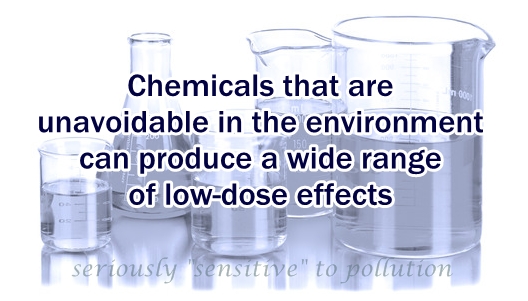
“We found definite evidence that chemicals that are unavoidable in the environment can produce a wide range of low-dose effects that are directly related to carcinogenesis. So the way we’ve been testing chemical safety is really quite out-of-date.”

“Every day we are exposed to an environmental ‘chemical soup’ and we need testing to evaluate the effects of our ongoing exposure to the mixtures in this soup.”

~ William Goodson III, a senior scientist at the California Pacific Medical Center in San Francisco.


“This research backs up the idea that chemicals not considered harmful by themselves are combining and accumulating in our bodies to trigger cancer and might lie behind the global cancer epidemic we are witnessing.

~ Cancer Biologist Dr Hemad Yasaei from Brunel University London

.

This would be all kinds of everyday chemicals, such as those that trigger MCS – they included chemicals found in items such as mobile phones, detergents and cooking pans, and pesticides used on fruits and vegetables!

Read the research or check out some of the media reports:

Continue reading

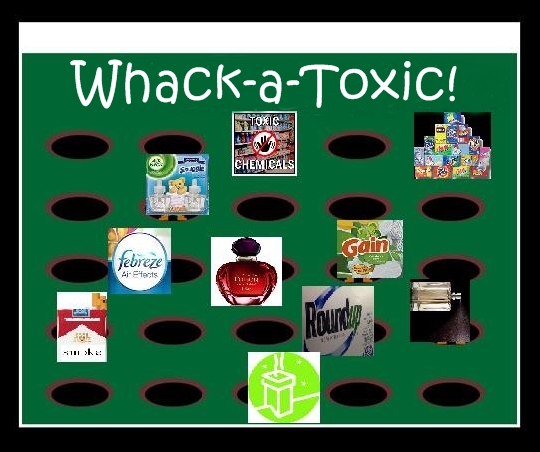
Wanted: Whack-A-Toxic Game Maker

Some of us find online computer games to be a good way to keep our brains from atrophying when we are disabled by all the toxic chemicals allowed to be used in everyday products and materials.

Here’s a game idea that we’d like developed:

whackatoxic

It would have to have an adjustable, variable speed (some of our brains are very slow), as well as an on-off switch for sounds (some of us are also sound “sensitive” when our CNS has been fried from exposures).

The products that pop up can be virtually all regular laundry, cleaning, and personal care products, pesticides, new clothing, shoes, furniture, new electronics, most plastics, in fact, almost anything new. Toxic, health-harming petrochemicals are everywhere now!

The game could be turned into an educational tool too (instead of just a therapeutic tool) by including hyperlinks that inform what the known and suspected to-be-harmful and still-questionable chemicals are in each product, and what health effects they can cause! Scoring could be based on whacking (eliminating) the most toxic products first!

Can someone please make us this game?

In the meantime, here’s an existing way to be active in learning and changing the toxic world we currently live in to a safer one:

 Mind the Store


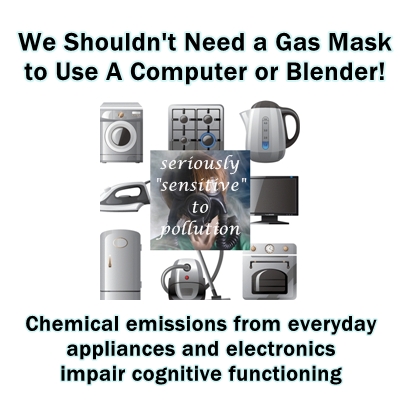
We Shouldn’t Need a Gas Mask to Use A Computer or Blender!

Ever notice how when you buy a new appliance or electronic device, and take it out of the box, or plug it in, the smell makes you nauseous, dizzy, and gives you a headache? Or worse?

That smell is made up of some really toxic chemical fumes. Benzene, styrene, and toluene, among others… in everyday technology!

.

New research from the Exposure, Epidemiology & Risk Program, Department of Environmental Health, Harvard T.H. Chan School of Public Health, on how the pollutants in indoor environments affect people’s cognitive functioning (people who are still able to work in polluted offices, not the people who are already too disabled to work in polluted offices) discovered that

Green office environments linked with higher cognitive function scores

…”People who work in well-ventilated offices with below-average levels of indoor pollutants and carbon dioxide (CO2) have significantly higher cognitive functioning scores–in crucial areas such as responding to a crisis or developing strategy–than those who work in offices with typical levels, according to a new study from the Harvard T.H. Chan School of Public Health’s Center for Health and the Global Environment, SUNY Upstate Medical University, and Syracuse University.

“We have been ignoring the 90%. We spend 90% of our time indoors and 90% of the cost of a building are the occupants, yet indoor environmental quality and its impact on health and productivity are often an afterthought,” said Joseph Allen, assistant professor of exposure assessment science, director of the Healthy Buildings Program at the Harvard Center for Health and the Global Environment, and lead author of the study.

“These results suggest that even modest improvements to indoor environmental quality may have a profound impact on the decision-making performance of workers.”

Researchers wanted to look at the impact of ventilation, chemicals, and carbon dioxide on workers’ cognitive function because, as buildings have become more energy efficient, they have also become more airtight, increasing the potential for poor indoor environmental quality.

Building-related illnesses and “sick building syndrome” were first reported in the 1980s as ventilation rates decreased. In response, there has been an emphasis on sustainable design–“green” buildings that are energy efficient and are also designed to enhance indoor environmental quality. The researchers designed this study to identify the specific attributes of green building design that influence cognitive function, an objective measure of productivity.

“The major significance of this finding lies in the fact that these are the critical decision making parameters that are linked to optimal and productive functioning. Losing components of these skills impacts how people handle their day to day lives.”

In other words, pollution prevents people from being smart!

appliance gas mask

Here are just some of the harmful emissions from computers:

Continue reading