Tag Archives: Housing

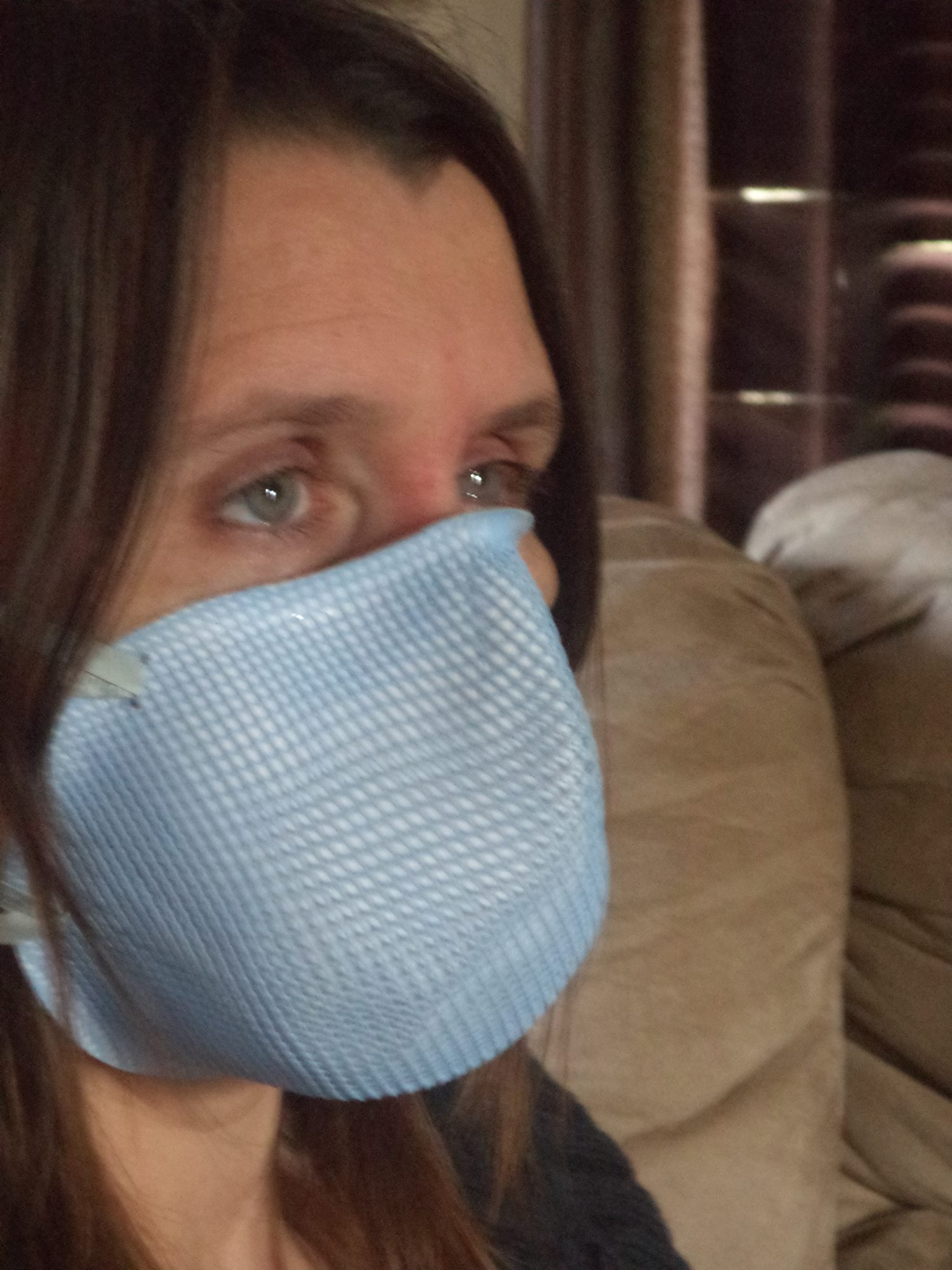
What I Wear In Bad Air :: E.P.


2016 E.P.

“I wear this whenever I leave the house, like when taking my child to the park, or walking by people and homes. I had to wear it indoors as well when I lived in an apartment building, because I get sick from exposure to wafting perfume, and dryer vent laundry scents in the air. Even outside it is impossible to avoid these scents blowing in the air and from people walking by.”

~ E.P.

For more info on masks see:

Continue reading

For Me, MCS Means …

mcs es invisible disability framed“For me, MCS means having to wear a mask when I go out”

MCS Awareness Month Guest Post from Laura J Mac

Multiple Chemical Sensitivity or MCS (also known as Environmental Sensitivities) is a chronic and disabling condition characterized by symptoms from low-level exposures to common chemicals. To put it simply, really common chemical exposures are disabling to some people, even in very small amounts.

ES has been recognized as a disability in Ontario since 2000, and federally (in Canada) since 2007, yet most people, and in fact many medical professionals, have never heard of it.

May is MCS Awareness Month, though I promise you, we are aware of it all year!

Instead of asking others to imagine something so unimaginable, we asked 1500 people with MCS to share what life is like with MCS. These memes are some of the responses.*

Continue reading

What I Wear In Bad Air :: Lisa M.


2016 Lisa M

“At one point I had to sleep in the mask when in a rental unit. There was smoke coming from a surrounding unit and toxicity from finish that was used on the floor. I typically use avoidance, but for situations where that is not completely possible the mask is used to help with some symptoms. One of the biggest issues I deal with is the impact of environmental triggers causing instant inflammation of my eyes. Since the mask does not help with that it has been necessary to wear it with glasses when avoidance is not possible.”

~ Lisa M.

For more info on masks see:

Continue reading

Loneliness, Posttraumatic Growth, and Invisible Disabilities

Amelia Hill shared an eloquent post about enduring and working with loneliness (see below).  Amelia and I are both  housebound (and have been so for years), but she is currently confined to a much smaller space in her home than I am in mine.

loneliness - Amelia HillFrom Heal Amelia’s Life:

Loneliness. I’ve kinda learned to override the often relentless waves of loneliness one feels living an isolated existence like mine.I don’t deny the feelings of loneliness or push them down in an unhealthy way. But it’s more like a repetitive cycle of acknowledging it & letting it go, acknowledging it & letting it go. It’s how I survive.

Continue reading

MCSVille: A Canary Safe Sanctuary

Guest post by Laura Canary

Since I could not sleep, I thought I would bake a gingerbread house for our Christmas party. When I still could not sleep, I got carried away and baked enough to piece together this whole gingerbread village.

MCS ES gingerbread village kit 2(image for inspirational purposes only)

But, what to call it?
Canary City? Sansparfumville? Beneficidale? Healington? MCSville? Magic Canary Sanctuary?

Welcome to our Magic Canary Sanctuary, or MCSville!

See all the houses! They are all built MCS safe, to accommodate all Canaries in need.

Continue reading

Wendy is NOT a Widget and She Shouldn’t be Treated Like One

Wendy is NOT a widget. Widgets can go anywhere. Wendy can’t.

“Widget” is used in texts and speech, especially in the context of accounting, to indicate a hypothetical “any-product”. Companies in such texts will frequently be given names such as “ABC Widgets” or “Acme Widget Corp.” to indicate that the particular business of the hypothetical company is not relevant to the topic of discussion.
(Widget economics – wikipedia)

“Economists often use the term widget to refer to an abstract unit of production.”

Wendy is NOT a widget as her local housing authority seems to believe. They have a capacity problem, but instead of addressing the need for improved (and accessible) capacity, they want to re-arrange people’s lives as if they were widgets, with little to no regard or understanding of the consequences.

INVESTOPEDIA EXPLAINS ‘Capacity’

“The widget manufacturer may be able to produce 150,000 widgets in a month. However, due to downtime because of equipment maintenance and worker illness, only about 130,000 widgets can actually be produced per month. Over the long run, a business can increase its capacity and output by acquiring more factors of productions. For example, if market demand for widgets spikes, the widget manufacturer can buy more equipment and hire more workers, and thus increase its capacity to 175,000 widgets per month.”

Wendy is not a widget. She is a living, breathing, human being, a human being with a complex, chronic environmentally linked condition and disability related needs, needs that widgets don’t have.

Wendy Kearly photo by ADAM MACINNIS – THE NEWS

Wendy Kearly photo by ADAM MACINNIS – THE NEWS

The housing authority from which Wendy rents her safe home has deemed her over-housed, and are in the process of evicting her, despite the fact that Wendy has no other option for medically required, safe housing available, and no safe access to any of the other places most people take for granted (see below).

In the following audio interview with Wendy, among other things, she talks about the process her grown children take to detox themselves enough to be able to safely visit with her, so that she is able to safely hug them when they come to town.

Continue reading

A Story That Needs To Be Heard: Part 2

Noise Sensitivity and “Frequency Effects”

beachy 1

The following sound-video is 6 1/2 minutes long and adds some detail to one of the health challenges described in

A Story That Needs To Be Heard: Part 1

(please listen to Part 1 first, if you can)

Here is Part 2

Continue reading

A Story That Needs To Be Heard: Part 1

beachy 1

I invite you to take 25 minutes of your life to listen to this audio documentary.

“Short Documentary of a Life With Health Challenges”

Continue reading

Former President of Microsoft Canada On Wi-Fi

I just listened to an eye-opening radio interview with the former President of Microsoft Canada. A couple of women with EHS were also interviewed.

Andy Oudman (1290 AM CJBK, London ON) and Pam Killeen interview Frank Clegg, former president of Microsoft Canada and head of Citizens 4 Safe Technology (www.c4st.org). They speak about the potential hazards associated with WiFi technology

Please listen to the program and take precautions for your own health:

http://www.c4st.org/news/video/item/useful-videos/london-today-radio-broadcast-frank-clegg-and-pam-killeen.html

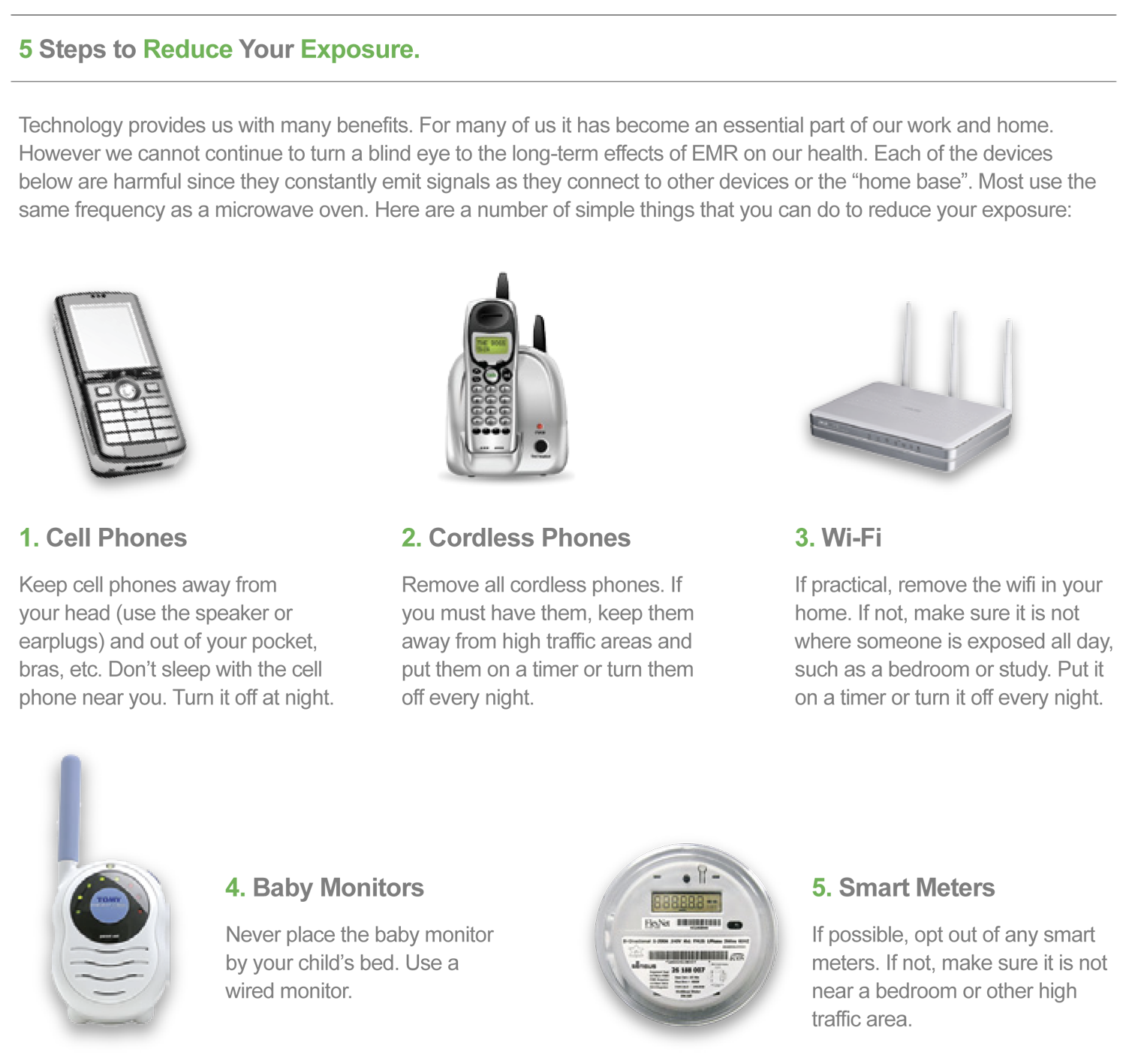
Ways to Reduce EMR Exposure

Ways to Reduce EMR Exposure

Related:

Continue reading

Who Needs A Healthy Home?

We All Do! But for Children and People With MCS/ES, it is Crucial!

Healthy Homes and Healthy Environments Sustain Life

Love is always a good thing too!

So, what’s the problem? Check out this great short video:

A Wake-Up Story

See some great tips for creating healthy housing here:

Continue reading