We now breathe, drink, eat and wear petrochemicals every where, every moment, every day! There’s no getting away from them!
Where are they coming from?
“The petroleum industry includes the global processes of exploration, extraction, refining, transporting (often by oil tankers and pipelines), and marketing petroleum products… Petroleum (oil) is also the raw material for many chemical products, includingpharmaceuticals, solvents, fertilizers, pesticides, and plastics.”
Here is yet another way petro-chemical and wireless pollutants and policies create barriers to access, barriers that personal actions and responsibility alone cannot overcome…
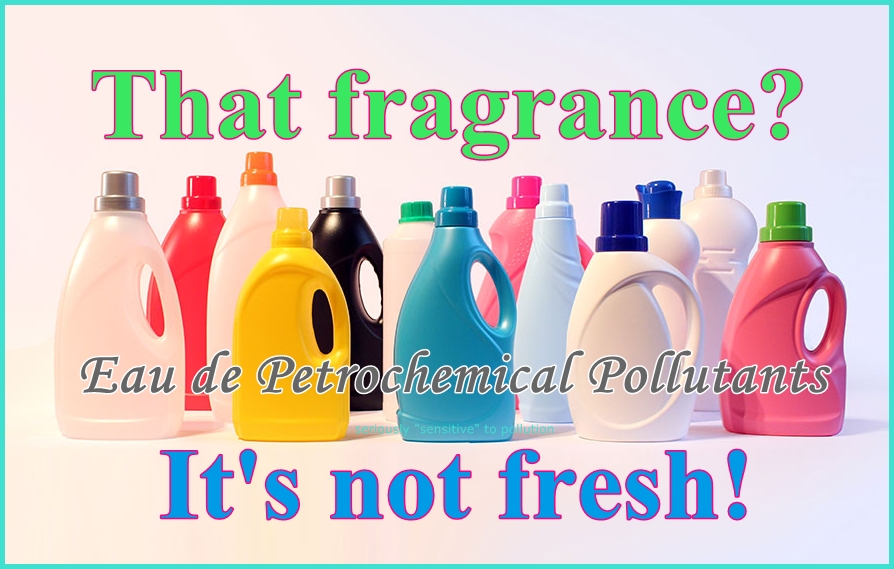
Background: Michellina wrote about her masked experiences on her blog The-Labyrynth, which inspired Colleen to write about her mask breakthrough on her blog Life in the City with a Future, which inspired me to share her link and post on the subject here, which then inspired Suki to chime in here adding her experiences, as well as a link to some really great resources from from The (US) National Center for Independent Living on environmental health barriers to access, which links back here to one of my posts! And here’s an example of just how prevalent fragrance chemicals are.
And then… my friend Melody posted this photo, which brings up another issue:
How can we have access to our money when wearing disability related “accessories”?
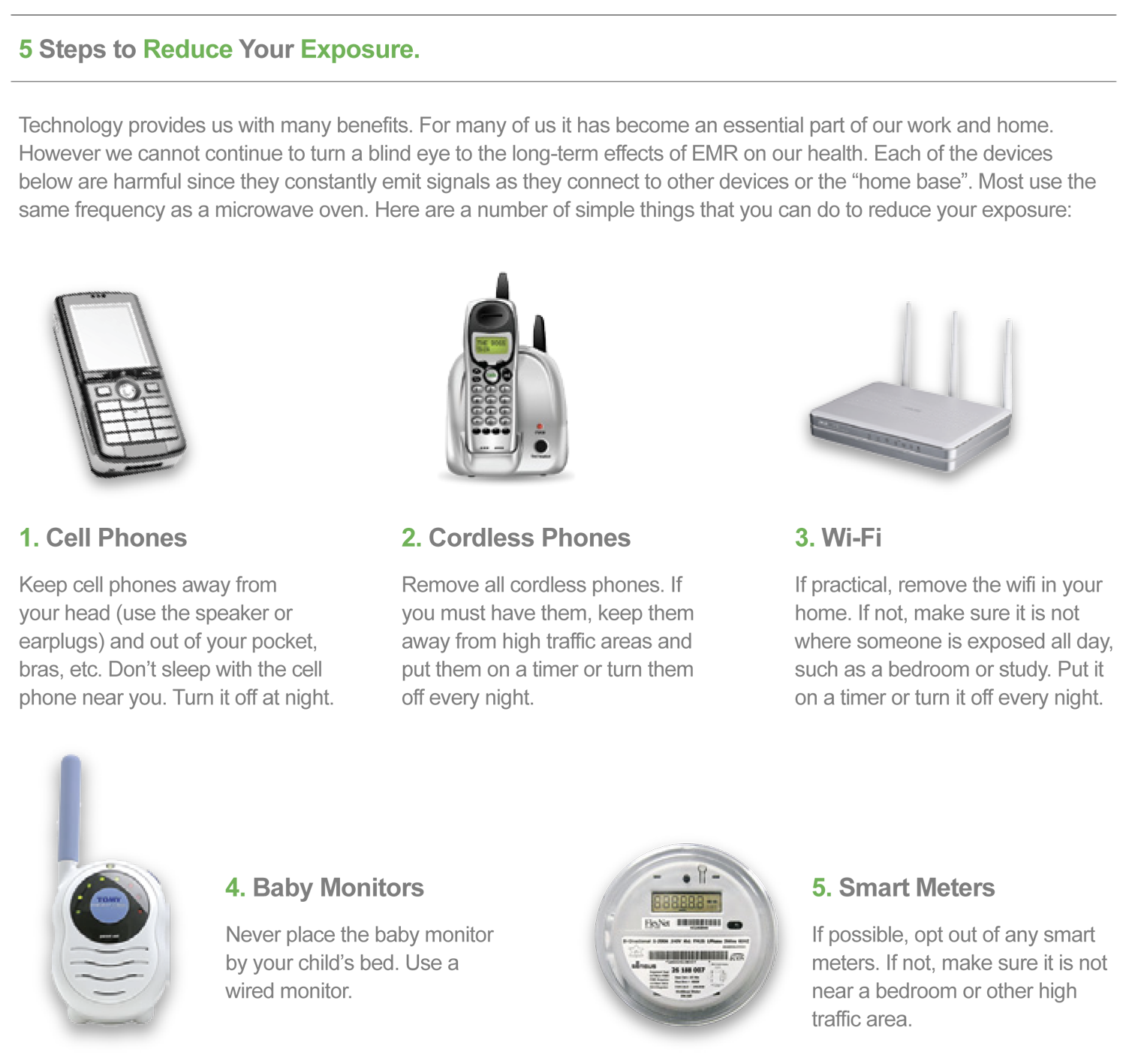
What about the masks we wear to breathe? Or the hats and scarves we wear to keep some of the fragrance chemicals off of our hair? Or the special fabric head-coverings to protect from wireless radiation? These are necessary “accessories” which prevent further disability, and allow some of us to lead somewhat more normal lives, kind of like what wheelchairs are for people who can’t walk.
Do they have these signs (and policies) everywhere now?
I am really looking forward to seeing this important film. So many of us are in need of safe, non-toxic housing in areas with clean, non-toxic outdoor air. When we are unable to function “as designed” in “normal” or moldy housing or when neighbors do things like use pesticides, conventional laundry products, smoke and burn things, or when there are wireless devices nearby, because of the disabling effects these harmful and toxic pollutants have on us, then safe housing can make such a great difference, allowing us to be more fully human again…
From Dual Power Productions: “Homesick was originally filmed in 1995. Director Susan Abod was so sick that she couldn’t finish the film. In 2011, we came on board to help. We’re excited to bring Homesick to you on September 15, a film that is even more relevant now than when it started in ’95.”
“Homesick”
“Imagine your house is making you dangerously sick. Common products like paint, carpeting, new building materials and insecticides are now your worst enemies. Your bones ache, you’re feverish, you suffer from extreme headaches, disabling fatigue, mental confusion, asthma and nausea. The longer you stay in your house, the sicker you get but you can’t imagine how or where you’re going to find a safe home. You are one of the millions suffering from the silent epidemic of Multiple Chemical Sensitivities (MCS).
In Homesick, Susan Abod hits the road to learn whether other people with MCS are finding safe housing. On her journey to the Southwestern United States, Susan meets people from all walks of life. Their living quarters range from a house on stilts to tents and a teepee.
Join Susan as she explores a little known world and discovers how people are coping with this growing epidemic.”
I just listened to an eye-opening radio interview with the former President of Microsoft Canada. A couple of women with EHS were also interviewed.
Andy Oudman (1290 AM CJBK, London ON) and Pam Killeen interview Frank Clegg, former president of Microsoft Canada and head of Citizens 4 Safe Technology (www.c4st.org). They speak about the potential hazards associated with WiFi technology
Please listen to the program and take precautions for your own health:
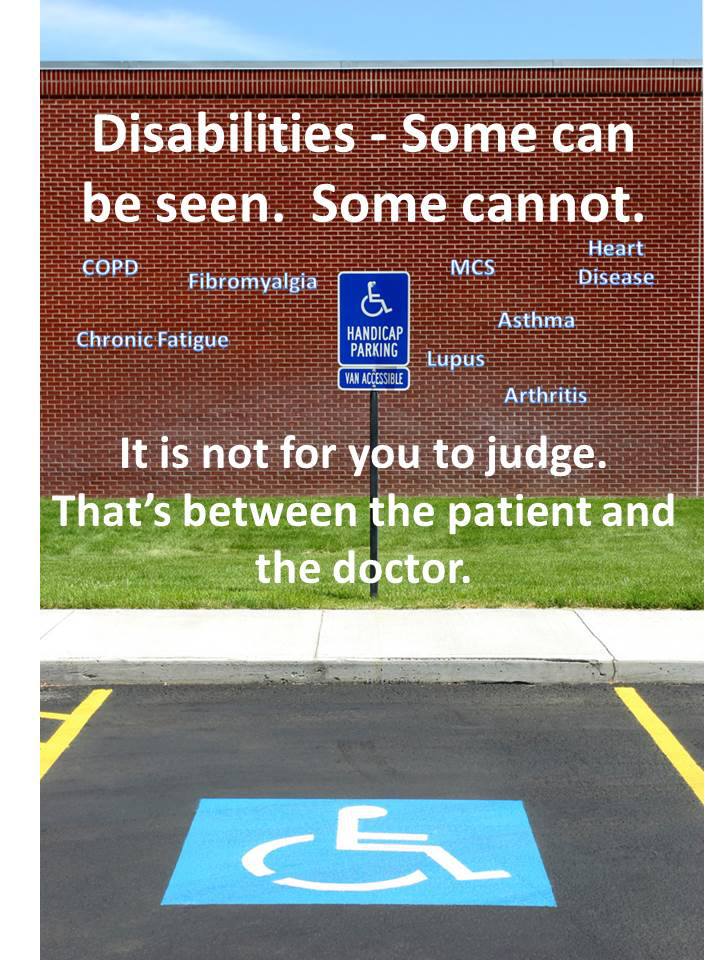
Yes there are a few selfish people out there who abuse any privilege or opportunity they can, but they are in the minority. Most people who look “normal” and use accessible permits have a proven, legitimate, legal, medical, human right to do so.
Information about the materials most likely to cause adverse health effects, and the kinds of symptoms commonly experienced from exposures, copied from the 2007 Canadian Human Rights Commission’s document “The Medical Perspective on Environmental Sensitivities By: Margaret E. Sears (M.Eng., Ph.D.), and a few other resources and links follow:
This is not only an environmental crisis, although that is bad enough since we all depend on clean air and water for basic survival, this is also a health and human crisis.
The quest for and extraction of fossil fuels has reached a level that is threatening us all.
♦
Reality Check: Canada’s Oil Sands
♦
“Each fact included in Oil Sands Reality check is carefully researched, referenced and reviewed by a scientific advisory committee. This website was created as a resource for citizens, media, investors and decision makers who wish to participate in a more informed debate about the impacts of oil sands development.”
When we are disabled, we can be vulnerable to discrimination, systemic abuse, and having our basic human rights violated. Like Paul Caune points out in the film Hope Is Not A Plan, “When your civil rights are violated you don’t need a good hug, you need a good lawyer”.
At the very least, we need a good advocate by our side.
Despite Human Rights “recognition”, people with MCS/ES are systemically denied safe access to even the most basic institutions of “care” that most people take for granted due to chemical (and attitudinal) barriers and discrimination, like with the health-care systems, the very system where our health is supposed to be cared for. I do believe there’s even an oath that some providers take to “do no harm”, but sadly, as those of us with MCS/ES have experienced, that is rarely the case when chemical and environmental sensitivities are concerned. Add more disabilities, and it can become even more challenging and rare to have our needs met with equality, dignity, and respect.
Take Elaine for example. Elaine has MCS/ES and used a wheelchair full-time for nine years because of a hereditary neurological disorder, Spino-cerebellar ataxia. With luck, medication, some amazing people, and a reduction in toxic environmental contaminants, her mobility is now much improved.
However, due to these disabilities, she had her basic rights violated at a time when she was most vulnerable, when she required health care.
When your civil rights are violated you don’t need a good hug – you need a good lawyer.
Because most voters with disabilities cannot pay for a good lawyer they have no way to protect their civil rights, which are frequently violated by government, unions and businesses.
You don’t have a civil right if you don’t have a remedy to enforce it.
Part 3: Things I Need to Do to Survive a Trip to the Dentist
(I have severe MCS, the measures I need to take are not necessary for everyone)
In addition to making sure I am fully prepared for what I need in order to survive the days following a trip to the dentist (supplies, food, frozen foods, etc), I have to prepare for the actual visit. Depending on my state of brain fog and or brain injury symptoms, this can be very time consuming and challenging.
If possible, I discuss these measures in advance with staff when I make the appointment, to make sure they are prepared to accommodate my disability related needs, and can be comfortable explaining them to other patients who might have concerns when seeing me.
How to File an ADA Complaint with the U.S. Department of Justice
You can file an Americans with Disabilities Act complaint alleging disability discrimination against a State or local government or a public accommodation (private business including, for example, a restaurant, doctor’s office, retail store, hotel, etc.).
Report an Adverse Effect or Unsafe Product (U.S.)
Product Safety Commission – Through SaferProducts.gov, consumers, child service providers, health care professionals, government officials and public safety entities can submit reports of harm
CHE Toxicant and Disease Database
a searchable database that summarizes links between chemical contaminants and approximately 180 human diseases or conditions.
Sandra Steingraber
, an acclaimed ecologist and author, explores the links between human rights and the environment, with a focus on chemical contamination
Toxic Clout
explores how the industry’s actions create uncertainty and delay, threatening public health. The Center for Public Integrity
TOXNET
– Databases on toxicology, hazardous chemicals, environmental health, and toxic releases.
UCSF Program on Reproductive Health and the Environment
PRHE has developed a series of brochures that describe the common types and routes of exposure to toxic substances and provide evidence-based recommendations on ways to reduce those exposures
US Chemical Policy Reform
Physicians for Social Responsibility… statements from a number of organizations concerned about the new bill
Washington Toxics Coalition
We promote alternatives, advocate policies, empower communities and educate people to create a healthy environment.
Food
Buy Non-GMO
Buying non-GMO not only impacts your own and your family’s health concerns, it also influences the buying decisions of food manufacturers, distributors, and retailers.
Cultivating Food Co-ops
– resources and tools to meet the needs of those involved in sustainable food and farming co-operatives
Dr Vandana Shiva and Navdanya
are actively involved in the rejuvenation of indigenous knowledge and culture. It has created awareness on the hazards of genetic engineering, defended people’s knowledge from biopiracy and food rights in the face of globalisation and climate chan
Dr. Anne C. Steinemann
Resources: Fragrance-Free Policies, CDC Indoor Environmental Quality Policy, Leaders for Healthier Air, Air Freshener Fact Sheet, Green Clean Fact Sheet , Toxic Chemicals in Air Fresheners, Toxic Chemicals in Fragranced Laundry Products
Center for a New American Dream
We seek to cultivate a new American dream—one that emphasizes community, ecological sustainability, and a celebration of non-material values.
Sandrup Jongkhar Inititiative, Bhutan
establishing food security and self-sufficiency, protecting and enhancing the natural environment, strengthening communities, stemming the rural-urban migration tide, and fostering a cooperative, productive, entrepreneurial and self-reliant spirit
Accommodation and Compliance: Electrical Sensitivity
The Job Accommodation Network (JAN) is the leading source of free, expert, and confidential guidance on workplace accommodations and disability employment issues.
How to File an ADA Complaint with the U.S. Department of Justice
You can file an Americans with Disabilities Act complaint alleging disability discrimination against a State or local government or a public accommodation (private business including, for example, a restaurant, doctor’s office, retail store, hotel, etc.).
Chemical Sensitivity Foundation
The primary goal of the Chemical Sensitivity Foundation, a 501(c)3 nonprofit corporation, is to raise public awareness about multiple chemical sensitivity.
EI Wellspring
Practical Tips for Coping with Chemical and Electrical Hypersensitivity
Environmental Health Center-Dallas
The mission of the Environmental Health Center – Dallas is to provide superior medical care and education with a special emphasis on the effects of environmental factors on health and disease.
Quinte Healthcare Corporation
Accessibility – Environmental Sensitivities (previously known as Multiple Chemical Sensitivities)
Scent Reduction at Southlake Hospital
FAQ – an introduction (note, reduction is not the same as elimination, and they don’t mention scented laundry products, which can be worse than perfumes)
Miscellaneous
Amelia Hill
from Australia, her MCS story and resources
Marie LeBlanc
Canadian disability artist Marie LeBlanc advocates for those living with environmental sensitivities/multiple chemical sensitivity through her art.
Paradigm Change
While we are interested in all kinds of toxins (including heavy metals, pesticides, herbicides, fire retardants and other chemicals), a particular focus is on the biotoxins made by molds, cyanobacteria and other microorganisms.
Safe Canary Nest
Excellent compilation of resources for canaries
ThinkBeforeYouStink
An educational resource for reducing your chemical and fragrance footprint, improving your health, and making your home or business safe and accessible for all.
Orion Magazine
to inform, inspire, and engage individuals and grassroots organizations in becoming a significant cultural force for healing nature and community.
The Story of Stuff Project
Short, easily shareable online movies that explore some of the key features of our relationship with Stuff
News
Environmental Health News
a foundation-funded news organization that advances the public’s understanding of environmental health issues by reporting and publishing news stories and providing daily access to news from other media around the world.
O Ecotextiles
Excellent info on chemicals in textiles and furnishings
Report an Adverse Effect or Unsafe Product (U.S.)
Product Safety Commission – Through SaferProducts.gov, consumers, child service providers, health care professionals, government officials and public safety entities can submit reports of harm
Accommodation and Compliance: Electrical Sensitivity
The Job Accommodation Network (JAN) is the leading source of free, expert, and confidential guidance on workplace accommodations and disability employment issues.
Bio Initiative
—A rationale for a biologically-based public exposure standard for electromagnetic fields
EI Wellspring
Practical Tips for Coping with Chemical and Electrical Hypersensitivity
The BabySafe Wireless Project
a joint initiative of two environmental health non-profit organizations providing info like What You Should Know About Wireless Radiation and Your Baby
The Switch2Safe project
exists to inform the public of the dangers of e-pollution and to advise on ways to lower it in the home, at work and other public places




 Seriously "Sensitive" to Pollution