Category Archives: Air Quality

Who Wants to Help Me Get New Air Purifier Filters?

I need several air purifiers to clean the air of pollutants from unavoidable everyday products and materials (like the mail, receipts, product labels, food packaging, replacement of any basic essentials, etc) and also the neighbourhood pollution (trains, planes, laundry products, pesticides, BBQs, fireplace smoke, etc) from my indoor air so that my brain and body can work more like they were intended to.

To cook, clean, and take care of my very basic needs, (nothing extra going on here, I am housebound) I am dependent on clean air to be able to function. My filters need to be changed annually or every other year (depending on what the air quality has been like) and mine were last changed in 2012, three years ago.

I have looked all over the place for funding to purchase new filters and there just isn’t anyone out there with a mandate to provide clean air to those who require it for medical reasons.

! ! !

IAQ help

Last summer was a disaster for me, this year was even worse. I’ve had a horrid three  months from area roadwork and pesticide use (there was massive spraying of Wild Parsnip around this part of Ontario during the summer, and the pesticide drift got to me really bad), and now other simpler exposures that hadn’t been bothering me as much as they used to, are again having more serious adverse effects on me because my indoor air is not being filtered anymore.
Continue reading

Webinar to Increase Smoke-Free Policies in Federally Assisted Housing (US)

Smoke and chemicals (such as fragrances, air “fresheners”, laundry products, pesticides, and other VOCs) do not respect property lines as they travel throughout space, often making others quite sick, even disabling them in their own homes. This is especially a problem in multi-unit housing, and where housing units are built close together.

This is also a very serious accessibility issue for people with MCS/ES, as there are few affordable housing options available, and most of these put people at risk of further  harm due to indoor air pollution issues, despite HUD and other federal agencies in the US and Canada recognizing MCS/ES as a disability that needs to be accommodated.

The following webinar is about addressing smoke, but the issues are applicable to other forms of indoor air pollutants as well. It should also be available as a podcast later.

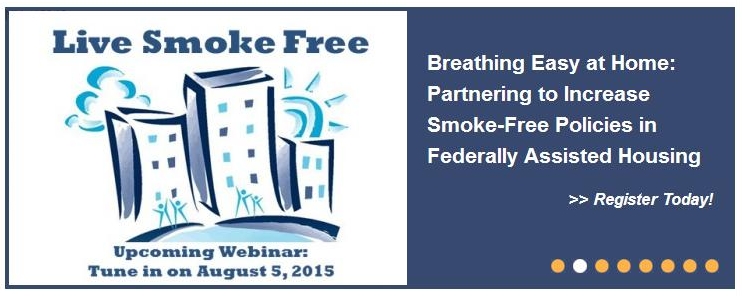
For those of you who are interested and able,  the webinar is being offered on Wed, Aug 5, 2015 2:00 PM – 3:30 PM EDT by the Asthma Community Network

Breathing Easy at Home: Partnering to Increase Smoke-Free Policies in Federally Assisted Housing

live smoke free webinarMore info: Continue reading

Shouldn’t Cleaning Products REMOVE Pollutants Instead of ADDING Them?

Here’s yet another scientific report about how dangerous chemicals and VOCs are being released from the everyday cleaning products most people use in their homes!

Environmental Defense (Canada) recently released their report THE DIRTY TRUTH, which found that products from some of the biggest cleaning brands (Mr. Clean, Clorox, Lysol, Windex, and PineSol ) pollute the air in Canadians’ homes with harmful chemicals. (Note that these products are not significantly, if at all different in the US, but the EU does have some bans on ingredient that are still allowed here).

ED’s The Dirty Truth follows hot on the heels of Women’s Voices For the Earth’s DEEP CLEAN report, and while both of these reports name names, they had a slightly different focus.

In Deep Clean, Women’s Voices For the Earth graded four major cleaning product manufacturers based on key indicators to expose their commitment to product safety: Product Ingredient Disclosure, Responsiveness to Consumer Concerns, Toxic Chemical Screening Process and Removal of WVE’s Chemicals of Concern.

Dr. Anne Steinemann’s research from earlier this year did not name product names, but she named numerous harmful volatile organic chemicals (VOCs) that the many popular products she tested do release into the air we breathe.

One has to wonder why this is allowed to be going on?

We should not be subjected to harmful industrial pollutants in our own homes!

cleaning pollution 1.

“Our new report found that products from some of the biggest cleaning brands (Mr. Clean, Clorox, Lysol, Windex, and PineSol ) pollute the air in Canadians’ homes with harmful chemicals called Volatile Organic Compounds. These chemicals have been linked to respiratory problems such as asthma and lower IQs.”

.

 Volatile Organic Compounds and Your Health

Continue reading

I Love Pollution

 Said No-one Ever

said no one ever 3.

Although, come to think of it, maybe someone HAS said they love pollution!

Those who profit while creating it are no-doubt not complaining about pollution, and some of  those who sell us things like inhalers and  drugs are actually loving pollution’s effects on their bank balances:

Continue reading

Industry Approved Actions to Spare Your Air, Lungs, and Brain

.
If only the air was this good all the time!

If only the air was in the blue range all the time!

.

Sometimes summer air just plain sucks. It can and does cause all kinds of health problems. Here then are some tips from Air Quality Ontario on what we humans can do to reduce our exposure to harmful pollutants and our impact on outdoor air.
 .
Note that none of these suggestions are enforceable. They are entirely voluntary for those of us who manage to learn of their existence. Many of us only find out about these tips once we are so adversely affected by pollutants that we couldn’t do these things even if we wanted to, which means the tips are most useful for the people who aren’t personally affected enough (yet) to understand the need for them.
 .
(reducing industry impacts on air will just have to wait until enough of us demand it)
 …
 .
During a Special Air Quality Statement, there are a number of actions that you can take to help spare the air:

Continue reading

What We All Need Now: Personal Exposure Detection Devices!

.

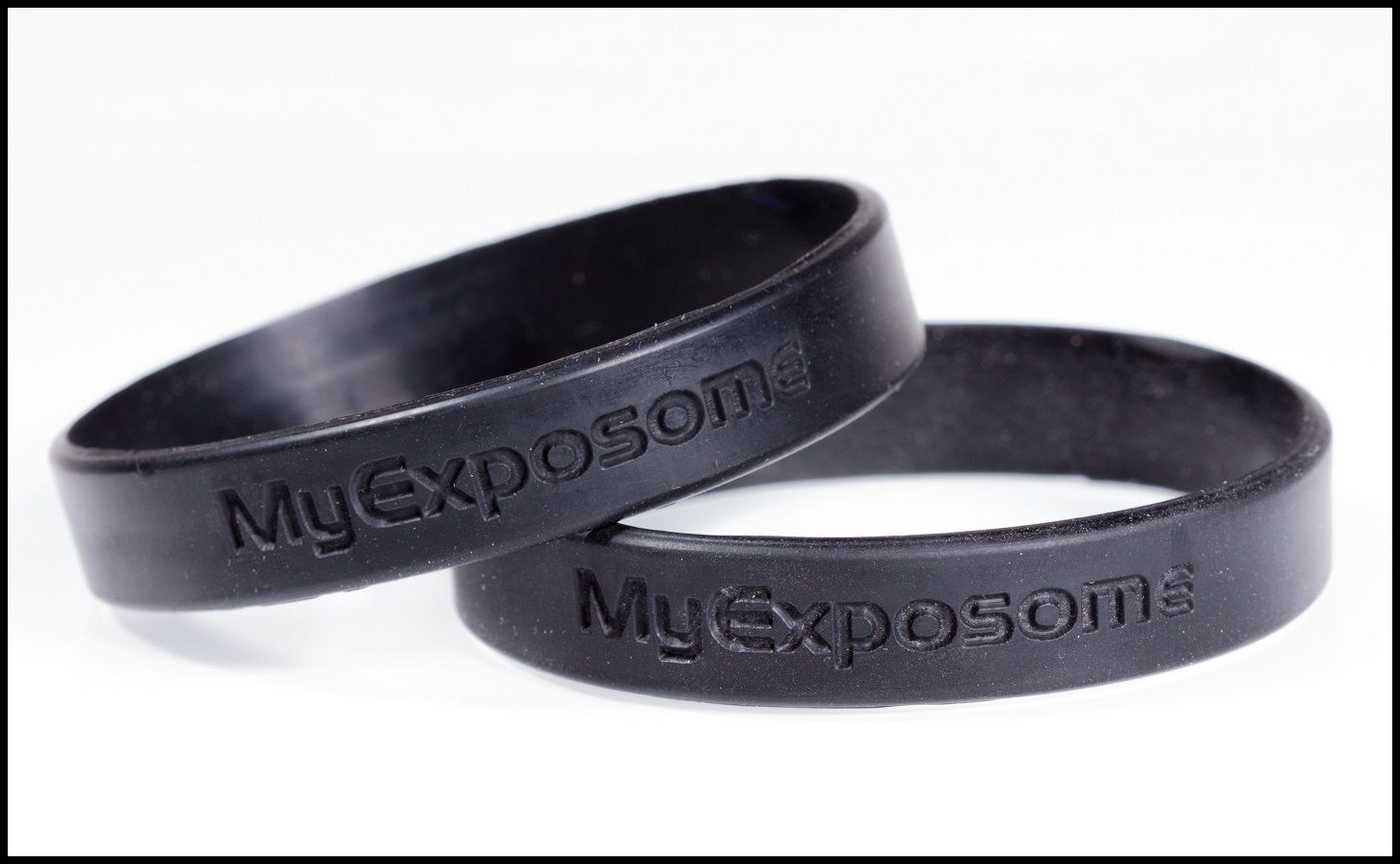
MyExposome has designed silicone wristbands (such as the ones worn in support of various causes) that are specially prepared to act as a sponge to absorb hundreds of different chemicals in our environment—the air, water, and even personal care products.

silicone-wristband-measures-1400-chemicals

The possibilities!

With all the toxic VOCs in everyday products,  the carcinogenic activity of the chemical cocktails we are exposed to on a daily basis, this is a great idea that can show people just how prevalent toxic chemicals have become, and how difficult it is to avoid them.

It would be really interesting to have a group of people with MCS/ES participate in some exposure measuring research, as those of us who have to practice extreme chemical avoidance for our health and well-being have some experiences that researchers will eventually find quite interesting.

Now, they would be able to see how difficult it is to avoid  these chemicals, even when making great efforts due to necessity (of course, different levels of MCS/ES dictate different levels of avoidance requirements and efforts too).

Continue reading

When Women Don’t Relinquish Fragrance

Guest post by By Heidi Utz

Several years ago, I posed to my women’s group a simple question: Can we ask members not to wear fragrances here? A hush fell over the room, then a silence so vast you could have heard a vial of Obsession drop. The same sweet women I’d grown to respect morphed into a pack of rabid wolves. No perfume?! It was as if I’d proposed giving up coffee, sugar, and styling gel in one fell swoop.

Since then, I have spent much time puzzling over their response. Are we so addicted to our scented products that the very notion of relinquishing them strikes terror in our hearts? Or is it more that the perfume industry has done such a stellar job in marketing its wares? Even in Santa Fe, where a comparatively high level of health-consciousness exists, we’re still susceptible to those redolent magazine ads, featuring the young and glossily naked in their evidently perfume-induced attractiveness.

But what if perfumiers, like chemical producers, were forced to include in their ads the manufacturer’s safety data sheets (i.e., the very interesting ways each spritz affects your liver)? Sound far-fetched?

Continue reading

It’s Only A Little Fragrance

How many times have we heard it’s “only a little fragrance”?

Telling a person with MCS/ES that there is “only a little fragrance”

is like

telling someone with Celiac Disease that there’s “only a little gluten”

or

 telling someone with a peanut allergy that there’s “only a little peanut”

or

telling someone who uses a wheelchair that there are “only a few steps”.

It’s not ok.

telling 103It’s NOT ok.

Individual images follow: Continue reading

Fragrance Facts Brochure

I’ve been looking through some of my old files and ran across this printable brochure about fragrances. Made by Betty Bridges in 2002, it has very useful information that is still relevant.

What has changed since then is that fragrance industry members voluntarily disclosed over 3000 ingredients that they commonly use (only they know how many were not disclosed, as the fragrance industry is still not regulated), and more research has come out on how harmful many of the fragrance ingredients are.

Additionally,  many  more people have become permanently disabled with MCS/ES, often originally triggered from fragrance chemical exposures (in Canada, there was a 31% increase in people diagnosed with MCS between 2005 and 2010, with many more undiagnosed due to a lack of doctors trained in environmental health matters), and  now it has become impossible to avoid 1st, 2nd and 3rd hand fragrance chemical exposures in the “developed” world, so everyone is constantly being exposed to these chemicals.

Fragrance Brochure 1- horz screenshots

Screenshot of brochure. Download the document at link below.

 ∴

Continue reading

Asthma, Fragrance, and Job Accommodation

Fragrances Can Cause or Trigger Work-related Asthma

The Work-Related Asthma Prevention Program (WRAPP) of the California Department of Public Health released new fact sheets on fragrances and work-related asthma.

INHALER

Information available:

2017 Fragrances and Work-Related Asthma: Information for Workers (PDF) – fact sheet

2017 Fragrances and Work-Related Asthma: Information for Employers (PDF) – fact sheet

2015 (editable) Workplace Fragrance-Free Policy (Word) – fact sheet

Continue reading