Category Archives: Chemicals

Why We Need “Sensitive” Human Canaries

“Sensitive” humans are not defective or here to inconvenience you.

maybe it is not me

Some canary history:

“Carbon monoxide, a potentially deadly gas devoid of color, taste or smell, can form underground during a mine fire or after a mine explosion.

Today’s coal miners must rely on carbon monoxide detectors and monitors to recognize its presence underground. However, before the availability of modern detection devices, miners turned to Mother Nature for assistance.

Canaries — and sometimes mice — were used to alert miners to the presence of the poisonous gas. Following a mine fire or explosion, mine rescuers would descend into the mine carrying a canary in a small wooden or metal cage.


Any sign of distress from the canary was a clear signal that the conditions underground were unsafe, prompting a hasty return to the surface.

 

Continue reading

When They Poisoned the Pests, I Didn’t Care

waves 1c


When they poisoned the pests,

I didn’t care, because I wasn’t a pest…

When they poisoned the frogs,

I didn’t care, because I was not a frog…

When they poisoned the birds,

I didn’t care, because I wasn’t a bird…

When they poisoned the air,

I didn’t care, because it was on the other side of the planet…

When they poisoned the ocean,

I didn’t care, because I wasn’t a fish…

When they poisoned the lands,

I didn’t care, because it wasn’t near my land…

When they poisoned the people,

I didn’t care, because it wasn’t anyone in my family…

(besides, those people with MCS/ES were acting all crazy, wanting me to change my laundry products, stop using fragrances, and get rid of my wi-fi, among other things)

Continue reading

Shouldn’t Cleaning Products REMOVE Pollutants Instead of ADDING Them?

Here’s yet another scientific report about how dangerous chemicals and VOCs are being released from the everyday cleaning products most people use in their homes!

Environmental Defense (Canada) recently released their report THE DIRTY TRUTH, which found that products from some of the biggest cleaning brands (Mr. Clean, Clorox, Lysol, Windex, and PineSol ) pollute the air in Canadians’ homes with harmful chemicals. (Note that these products are not significantly, if at all different in the US, but the EU does have some bans on ingredient that are still allowed here).

ED’s The Dirty Truth follows hot on the heels of Women’s Voices For the Earth’s DEEP CLEAN report, and while both of these reports name names, they had a slightly different focus.

In Deep Clean, Women’s Voices For the Earth graded four major cleaning product manufacturers based on key indicators to expose their commitment to product safety: Product Ingredient Disclosure, Responsiveness to Consumer Concerns, Toxic Chemical Screening Process and Removal of WVE’s Chemicals of Concern.

Dr. Anne Steinemann’s research from earlier this year did not name product names, but she named numerous harmful volatile organic chemicals (VOCs) that the many popular products she tested do release into the air we breathe.

One has to wonder why this is allowed to be going on?

We should not be subjected to harmful industrial pollutants in our own homes!

cleaning pollution 1.

“Our new report found that products from some of the biggest cleaning brands (Mr. Clean, Clorox, Lysol, Windex, and PineSol ) pollute the air in Canadians’ homes with harmful chemicals called Volatile Organic Compounds. These chemicals have been linked to respiratory problems such as asthma and lower IQs.”

.

 Volatile Organic Compounds and Your Health

Continue reading

What We All Need Now: Personal Exposure Detection Devices!

.

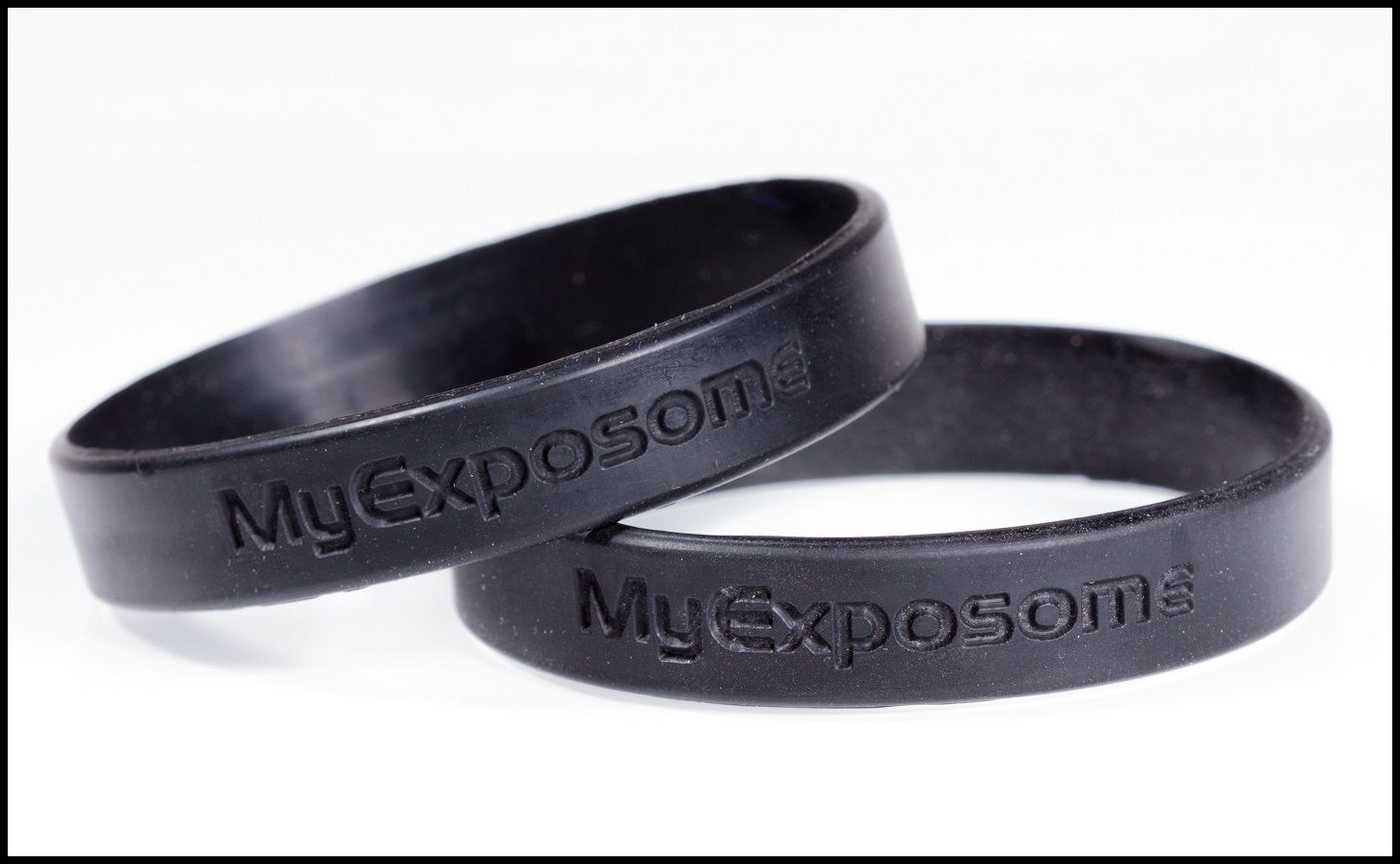
MyExposome has designed silicone wristbands (such as the ones worn in support of various causes) that are specially prepared to act as a sponge to absorb hundreds of different chemicals in our environment—the air, water, and even personal care products.

silicone-wristband-measures-1400-chemicals

The possibilities!

With all the toxic VOCs in everyday products,  the carcinogenic activity of the chemical cocktails we are exposed to on a daily basis, this is a great idea that can show people just how prevalent toxic chemicals have become, and how difficult it is to avoid them.

It would be really interesting to have a group of people with MCS/ES participate in some exposure measuring research, as those of us who have to practice extreme chemical avoidance for our health and well-being have some experiences that researchers will eventually find quite interesting.

Now, they would be able to see how difficult it is to avoid  these chemicals, even when making great efforts due to necessity (of course, different levels of MCS/ES dictate different levels of avoidance requirements and efforts too).

Continue reading

The Effort and “Inconvenience” of Single-Handedly Trying to Remove Systemic Barriers to Access

.

When she needed accommodation, you won’t believe the rigmarole that ensued.

(unless you have MCS/ES)

equal opportunity 1

“They should not have to make significantly more effort to access or obtain service. They should also not have to accept lesser quality or more inconvenience.”

.

Someone with MCS (who wishes to remain anonymous) was asked about how her efforts to receive appropriate, safe, accommodation were going, so she could see a health care provider. She is one of a growing number of people who become disabled from exposures to toxic chemicals found in many everyday products and materials, especially in fragrances.

This is pretty much how the story goes:

She contacted a health care provider by phone and talked to a receptionist.

She asked her if they had a scent-free policy and was told they didn’t.

Continue reading

It’s Only A Little Fragrance

How many times have we heard it’s “only a little fragrance”?

Telling a person with MCS/ES that there is “only a little fragrance”

is like

telling someone with Celiac Disease that there’s “only a little gluten”

or

 telling someone with a peanut allergy that there’s “only a little peanut”

or

telling someone who uses a wheelchair that there are “only a few steps”.

It’s not ok.

telling 103It’s NOT ok.

Individual images follow: Continue reading

Fragrance Facts Brochure

I’ve been looking through some of my old files and ran across this printable brochure about fragrances. Made by Betty Bridges in 2002, it has very useful information that is still relevant.

What has changed since then is that fragrance industry members voluntarily disclosed over 3000 ingredients that they commonly use (only they know how many were not disclosed, as the fragrance industry is still not regulated), and more research has come out on how harmful many of the fragrance ingredients are.

Additionally,  many  more people have become permanently disabled with MCS/ES, often originally triggered from fragrance chemical exposures (in Canada, there was a 31% increase in people diagnosed with MCS between 2005 and 2010, with many more undiagnosed due to a lack of doctors trained in environmental health matters), and  now it has become impossible to avoid 1st, 2nd and 3rd hand fragrance chemical exposures in the “developed” world, so everyone is constantly being exposed to these chemicals.

Fragrance Brochure 1- horz screenshots

Screenshot of brochure. Download the document at link below.

 ∴

Continue reading

Asthma, Fragrance, and Job Accommodation

Fragrances Can Cause or Trigger Work-related Asthma

The Work-Related Asthma Prevention Program (WRAPP) of the California Department of Public Health released new fact sheets on fragrances and work-related asthma.

INHALER

Information available:

2017 Fragrances and Work-Related Asthma: Information for Workers (PDF) – fact sheet

2017 Fragrances and Work-Related Asthma: Information for Employers (PDF) – fact sheet

2015 (editable) Workplace Fragrance-Free Policy (Word) – fact sheet

Continue reading

Fragrances, Hormones, Women, and Children

While these resources are primarily directed at women of childbearing age and children, they are really applicable to all of us. If a mother stops using perfume, but the father still piles on the scented deodorant, aftershave, and cologne, then his sperm, the mother, and children (born or unborn) are still being exposed to harmful chemicals.

If other family members, friends, and places like daycares are using scented laundry,  personal care, and cleaning products, they too are putting moms-to-be and kids at risk.

The adverse effects from these chemicals can be life-long, even longer. Our exposures can affect our grandchildren. Eliminating them from our lives now will ensure better health all around, including downstream, where fish and wildlife are also being affected.

WECF Pregnancy and EDCs

The short video below, produced by Women in Europe for a Common Future  (WECF), provides simple, important information on how you can protect yourself and your child from Endocrine Disrupting Chemicals (EDCs). They are found in so many places now.

WECF have also developed a new website, NESTING, which is another good resource for all of us. They have assembled a lot of good advice there.

Here’s an example from their Cleaning & personal care page:

Continue reading

Have Your Say for May by Leah


Before I got sick, I was a dog trainer. My life was centered around my dogs,maybe too much, but I was happy. I taught basic classes, worked with serious behavior problems, and competed with my own dogs. It was my culture, and my life.

As MCS started to creep in, it make more difficult and even dangerous, to continue. To have poor reflexes or to miss something because I was brain fogged, could be the difference between success and failure, and sometimes failure meant a bite.

So I had to give it up. But I didn’t give up my personal dogs. While the number of dogs has diminished, I still have 3 beautiful and wonderful dogs left that keep me happy, keep me laughing and keep me sane. They make me get up on the bad days, cuddle with me when I’m sick, and keep my spirits up when I’m sad. And on a really good day, I train.

Continue reading