Category Archives: Environmental Health

What We All Need Now: Personal Exposure Detection Devices!

.

MyExposome has designed silicone wristbands (such as the ones worn in support of various causes) that are specially prepared to act as a sponge to absorb hundreds of different chemicals in our environment—the air, water, and even personal care products.
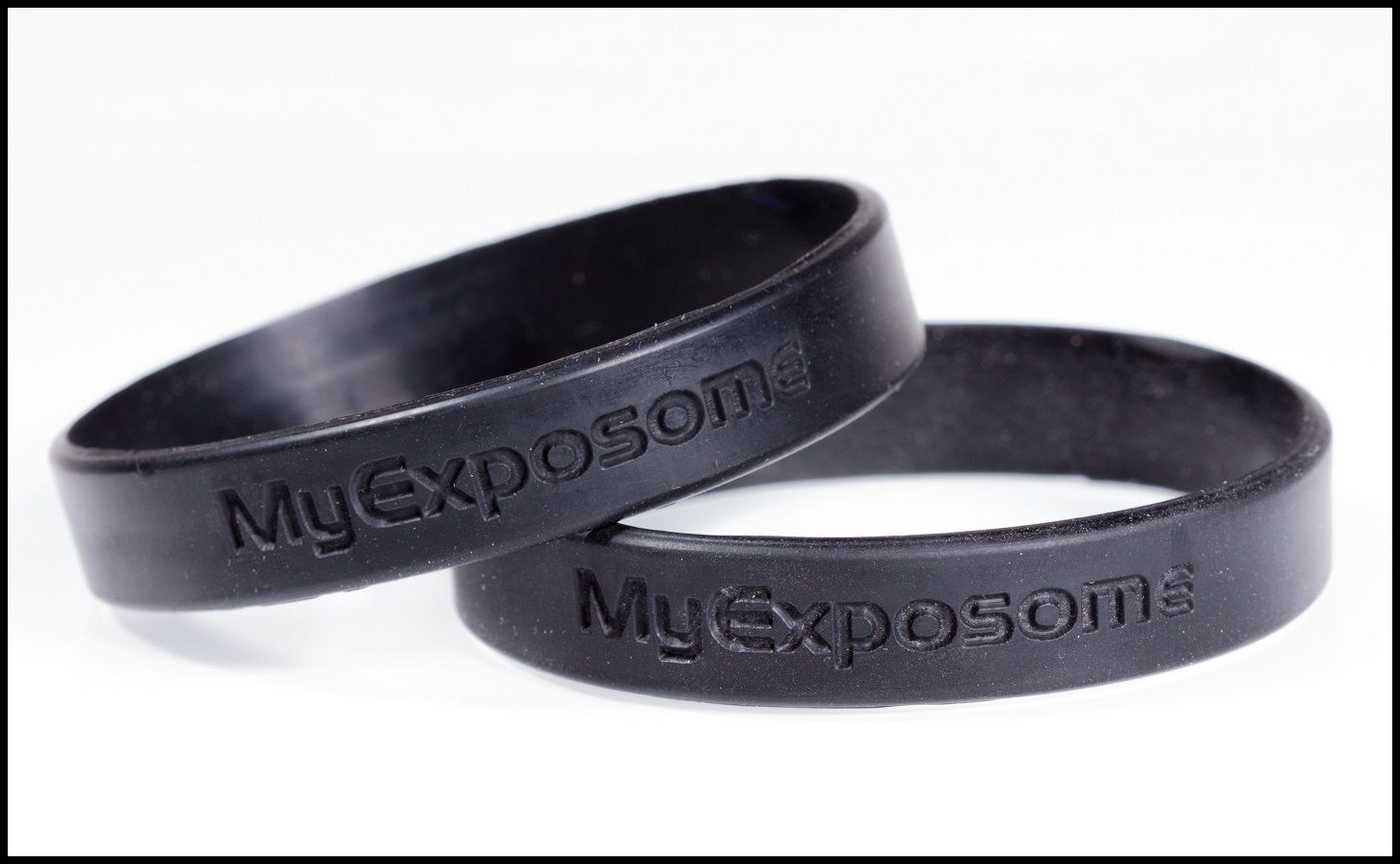
silicone-wristband-measures-1400-chemicals

The possibilities!

With all the toxic VOCs in everyday products,  the carcinogenic activity of the chemical cocktails we are exposed to on a daily basis, this is a great idea that can show people just how prevalent toxic chemicals have become, and how difficult it is to avoid them.

It would be really interesting to have a group of people with MCS/ES participate in some exposure measuring research, as those of us who have to practice extreme chemical avoidance for our health and well-being have some experiences that researchers will eventually find quite interesting.

Now, they would be able to see how difficult it is to avoid  these chemicals, even when making great efforts due to necessity (of course, different levels of MCS/ES dictate different levels of avoidance requirements and efforts too).

Continue reading

Are Healthy Hospitals Possible?

That may seem like a dumb question to people who haven’t been in a hospital, but to the rest of us, including those of us who can’t even go into a hospital in life or death situations, it’s a serious one.

hospitals make us sick

.

Check out this TEDMED video where Robin Guenther* discusses connections between health and environmental design, and what she and others are doing to make things  different:

Continue reading

2014 Statistics for MCS, FM, and CFS in Canada

The 2014 statistics for Canadians reporting a diagnosis of fibromyalgia, chronic fatigue syndrome, or multiple chemical sensitivities, (by sex, household population aged 12 and older) are here:

Continue reading

The Effort and “Inconvenience” of Single-Handedly Trying to Remove Systemic Barriers to Access

.

When she needed accommodation, you won’t believe the rigmarole that ensued.

(unless you have MCS/ES)

equal opportunity 1

“They should not have to make significantly more effort to access or obtain service. They should also not have to accept lesser quality or more inconvenience.”

.

Someone with MCS (who wishes to remain anonymous) was asked about how her efforts to receive appropriate, safe, accommodation were going, so she could see a health care provider. She is one of a growing number of people who become disabled from exposures to toxic chemicals found in many everyday products and materials, especially in fragrances.

This is pretty much how the story goes:

She contacted a health care provider by phone and talked to a receptionist.

She asked her if they had a scent-free policy and was told they didn’t.

Continue reading

Optional “Inconvenience”

Guest post and images by Laura J Mac

What always strikes me during conversations about how to persuade service providers to accommodate our disability is how much extra work we have to do just to participate in simple survival stuff. I mean, “simply” tracking down professionals who are willing to accommodate is a chore and a half. The luxury of “having a good relationship” with a service provider falls way down on the list because it’s usually one or the other.

Laura J Mac 1

Nobody would think twice about someone who uses a mobility device asking if there are ramps and elevators but it seems that our need for fragrance-free and reduced chemical exposure is perceived as a “preference” rather than a medical necessity. That perception leads to the idea that accommodation of our disability is an “option” (and generally it’s an “option” that service providers aren’t willing to make available.) It’s not that we don’t “like” fragrance, these chemical exposures cause neurological and physiological problems that interfere with our ability to function on a daily basis.

Continue reading

Report: RF EMR and the Health of Canadians

The_Canadian_Flag
… “Numerous concerns relating to radiofrequency (RF) exposure were raised by witnesses during Committee meetings on Safety Code 6 as well as in the briefs that were submitted. …
Witnesses also spoke to possible links between RF exposure and cancer, reproductive issues and autism.These concerns tied in to other testimony that expressed unease about RF exposure in schools as a result of the use of Wi-Fi; the need for RF exposure limits and guidelines to protect vulnerable populations such as pregnant women, infants and children, and others who may be more susceptible to the effects of RF exposure; and electromagnetic hypersensitivity (EHS).
While witness testimony and briefs often emphasized the need for Health Canada to take a precautionary approach to RF exposure by reducing the limits established by Safety Code 6 (and sometimes provided examples of limits and other measures taken to protect populations from RF exposure in other jurisdictions), they also referred to steps that individuals can take to reduce their own RF exposure. Finally, some witnesses stated that industry should play a role in reducing RF exposure.” …
RADIOFREQUENCY ELECTROMAGNETIC RADIATION AND THE HEALTH OF CANADIANS
 ∴
Report of the Standing Committee on Health
This much awaited report contains 12 major recommendations by effectively echoing the expert evidence heard by eight MPs during the recent hearings this Committee.
 
 ∴
The List of Recommendations:

Continue reading

Scientists Call for Immediate Precaution With Wireless Technology

On Monday May 11th, 190 scientists from 39 nations submitted an appeal to the United Nations, UN member states and the World Health Organization (WHO) requesting they adopt more protective exposure guidelines for electromagnetic fields (EMF) and wireless technology in the face of increasing evidence of risk. These exposures are a rapidly growing form of environmental pollution worldwide. Continue reading

It’s Only A Little Fragrance

How many times have we heard it’s “only a little fragrance”?

Telling a person with MCS/ES that there is “only a little fragrance”

is like

telling someone with Celiac Disease that there’s “only a little gluten”

or

 telling someone with a peanut allergy that there’s “only a little peanut”

or

telling someone who uses a wheelchair that there are “only a few steps”.

It’s not ok.

telling 103It’s NOT ok.

Individual images follow: Continue reading

Collage 1

 My first photo collage using found photos.

It is what it is. Now that I have figured out I can do this, I plan on doing more!

"collage 1" May 2015

“collage 1” May 2015

MCS and EHS Included in New National Council on Disability Transportation Report

Press Release from National Center for Environmental Health Strategies

~ Mary Lamielle

Transportation Update NCD

… excerpts …

National Council on Disability Transportation Report Addresses Chemical and Electrical Sensitivities; Recommends Changes in Policies and Practices to Improve Access

Continue reading